


VP/Cover | Unapologetically Trans: How We Learned to Belong to Ourselves


Kirk Popiolek and Sofia Trazona on transhood, pride, and the generations of trans that taught us how to dream bigger lives
In a society where trans people are often asked to justify their existence, a new generation of Filipino trans voices is changing the narrative. The conversation is no longer centered solely on existence, increasingly, it is about possibility.
For 24-year-olds Kirk Popiolek and Sofia Trazona, Pride talks about ownership and freedom to take up space without apology, Pride is building lives bigger than the limitations society once tried to place on them.
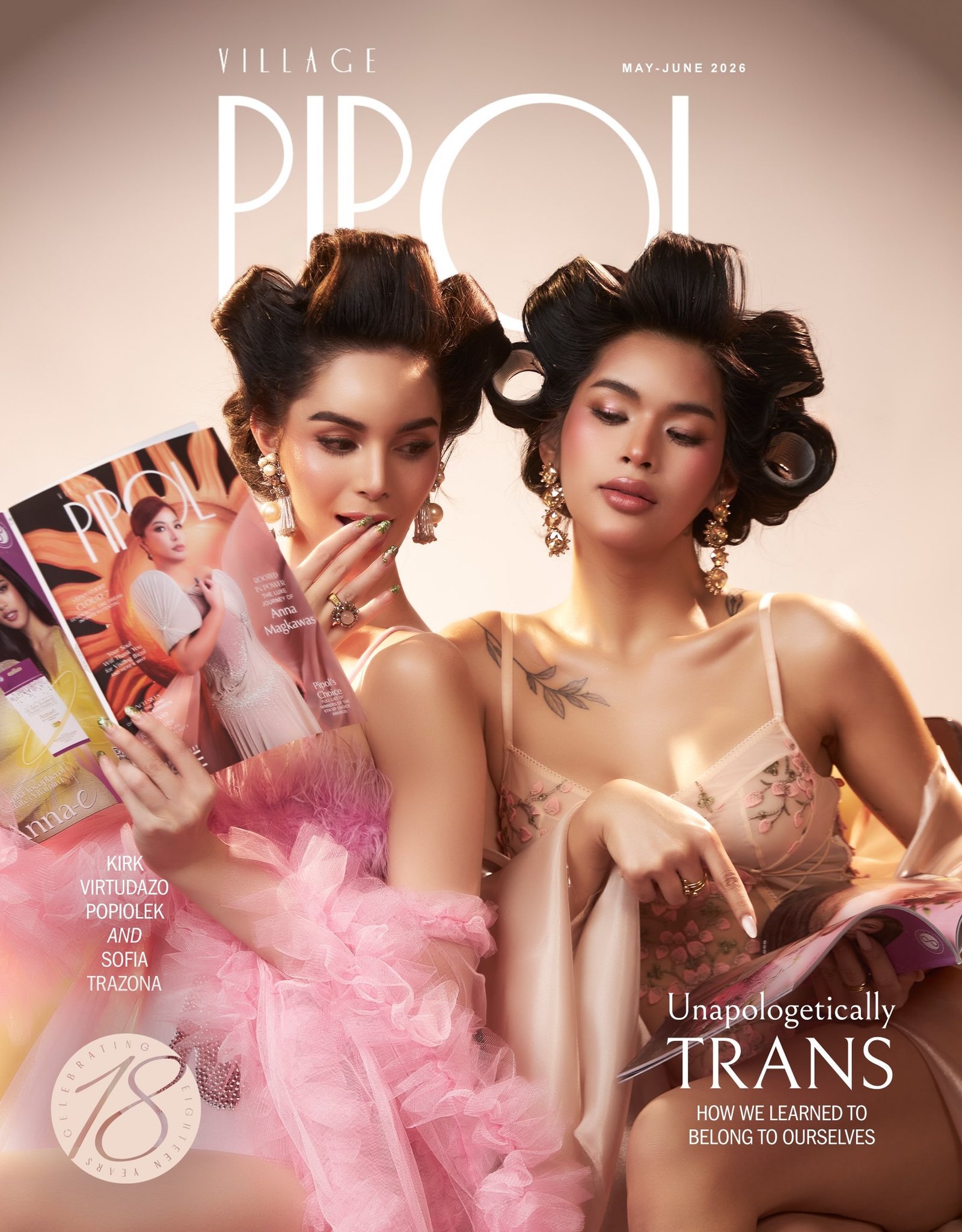
Their stories are different in many ways. Kirk’s journey has unfolded through pageantry and entrepreneurship. Sofia’s has been shaped through drag, content creation, and a deeply personal public transformation. Yet both have arrived at the same conclusion: the greatest act of self-love is no longer asking permission to be yourself.
Beyond Being Seen
For Sofia, freedom is still something society is learning to give.
“Wala pa kami sa freedom na we are treated as regular na tao. Kasi with regards sa pagiging part ng queer community, laging may stigma na nakakabit. Yung freedom na inaasam namin [ay] wala nang nakakabit na label at mas better kung makikita nila kami as one, as equal nila.”

Kirk describes freedom in a more personal way, as an everyday reality.
“It’s waking up each day knowing that you are doing what you love and that you don’t have to explain who you are. It’s about being seen, being heard, and having the courage to show everyone who I am.”
They point toward the same aspiration: a future where trans people are not defined by labels first, but recognized as people with dreams, talents, and lives that extend far beyond their gender identity.
Choosing Yourself
Before either woman became visible to others, they first had to learn how to choose themselves.
Kirk recalls years spent trying to fit into expectations that never truly reflected who she was. Fear influenced many of her decisions, from the opportunities she pursued to the parts of herself she chose to hide. Like many trans people, she learned early on how to make herself smaller in order to feel safer.
The moment she stopped limiting herself, she says, her world expanded.
“The moment that I became authentic and true to myself, that was the time that I was able to flourish more and blossom more. I realized that I’m not just making it for myself, but also for the trans community as well.”
Today, she owns multiple aesthetic clinics, runs a beauty salon, and continues to build a successful career in pageantry and modeling. Yet when she talks about success, she speaks less about accomplishments and more about freedom.
“It felt lighter, it felt good, and at the same time, it felt empowering. It felt like I had wings on my back and that I could fly wherever I wanted to go.”

Sofia’s journey toward self-acceptance unfolded differently. For years, she worried about how people would react if she openly embraced her identity. Many knew her as Andrei before she became Sofia, and that fear of disappointing others made it difficult to fully step into herself.
Ironically, it was the public controversy that became her turning point.
“I felt the most comfortable nung lumabas yung issue kasi hindi na ako nagtatago. Blessing in disguise siya. Nung lumabas yung controversy, sobrang nakawala ako sa kulungan. Mas na-embrace ko lahat-lahat ng pagiging Sofia.”
Perhaps the most striking thing about Sofia is how often she returns to joy.
“What brings me joy is waking up in the morning and seeing myself, and I see what I wanted to see. Sobrang fulfilling siya. Talagang ito na yung inaasam-asam ko.”
Their answers reveal something often missing from conversations about trans lives. Beyond the debates are ordinary moments of fulfillment. For both women, authenticity was not the reward that came after success. It was the thing that made everything else possible.
Turning Visibility Into Purpose
As their platforms grew, so did their understanding of what their influence could mean.
Kirk sees storytelling as one of the most powerful tools she has. Whether through pageantry, modeling, or business, she wants her journey to challenge assumptions about what transgender women can achieve.
“I use pageants as a platform. I want people to see that transgender women can break barriers, break norms, and become whoever they choose to be.”
Her success as a business owner and professional model has become a form of representation in itself. She hopes other transgender women see that there are no limits to what they can pursue.
Sofia, meanwhile, has come to see her visibility as something that extends beyond her own experience. The more she shared her story, the more she realized that others were finding pieces of themselves in hers.
“Hindi na ako yung pang-ako lang. They see themselves sa akin—yung mga hindi pa makapag-out or natatakot pa dahil sa iba’t ibang dahilan. So I’m not just fighting for myself anymore.”
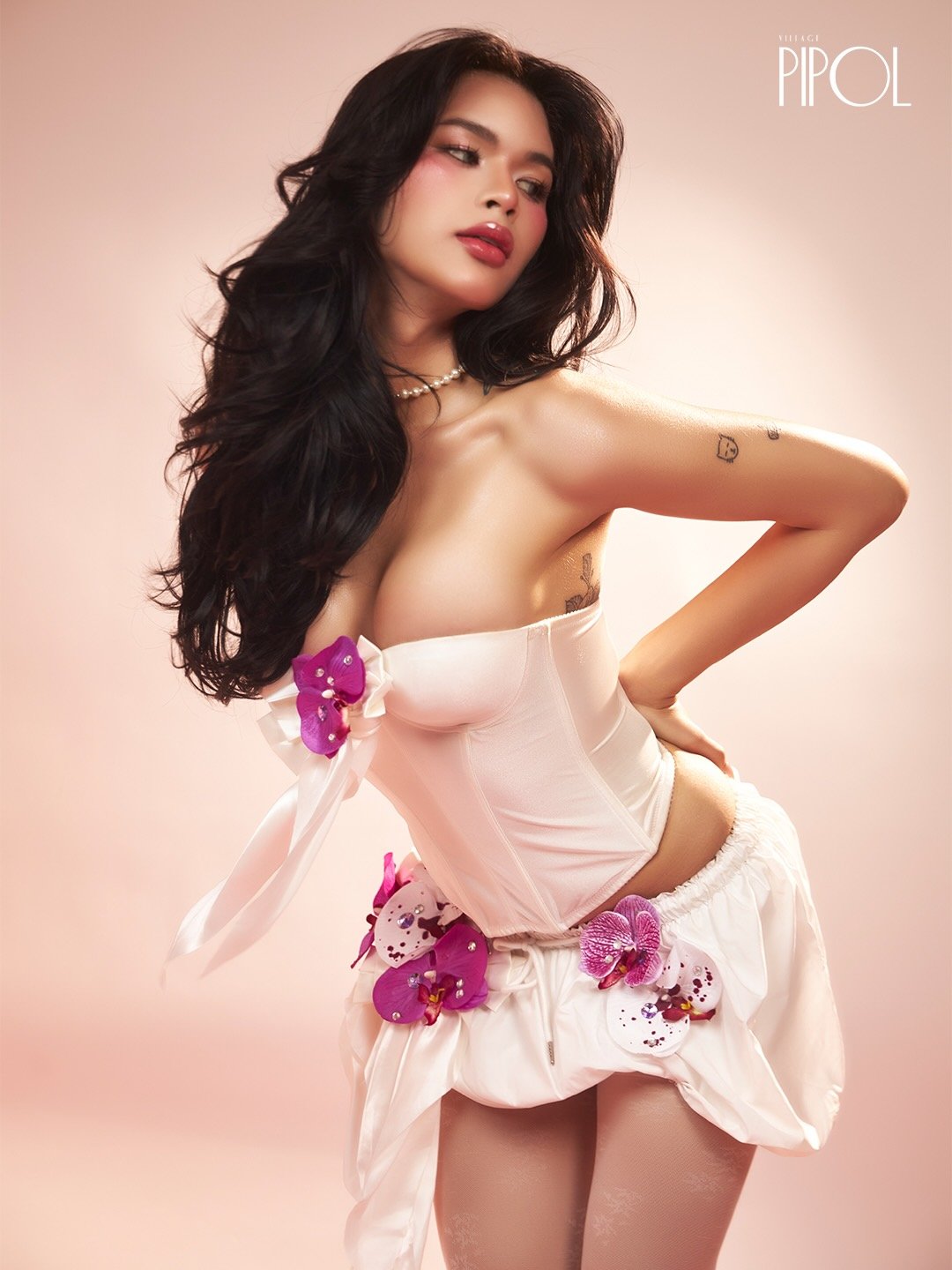
Both women understand that they carry responsibility. Not because they are expected to represent every trans person, but because simply living openly can create space for someone else to do the same.
Moreover, they reject the idea that being transgender should be the most important thing about them. Instead, they want people to recognize their values, their talents, their ambitions, and their contributions.
“We should not be labeled because of our gender,” Kirk says. “We should be labeled because of our skills.”
Standing on the Shoulders of Those Who Came Before
Despite their accomplishments, neither Kirk nor Sofia talks about their journeys as though they happened in isolation. Both return to generations of trans people who came before them; who fought for dignity and recognition at a time when doing so was far more difficult.
For Kirk, Pride is as much about gratitude as it is celebration.
“Pride is not just about celebration. It’s also about being grateful to those people who paved the way for us. I think we would not be who we are today without them. Malayo pa pero malayo na.”
She acknowledges that while challenges remain, today’s generation benefits from opportunities that previous generations worked hard to create.

Sofia shares the same appreciation. For her, one of the greatest contributions of earlier trans generations was simply having the courage to exist publicly.
“Yung mag-show up lang sila. Yung ipakita nila yung presence nila in a public place. Doon pa lang, sobrang laking bagay na no’n. We are seen, we are heard.”
Both women also emphasize the importance of understanding LGBTQIA+ history. Sofia points specifically to Stonewall as a reminder that many of today’s freedoms were earned through collective action and resistance. Pride, in their eyes, is not only about celebrating where the community is today. It is also about remembering how far it has come.
Unapologetically Us
We asked both women what they refuse to apologize for, and their answers reveal just how much their relationship with themselves has changed over the years.
For Kirk, there is no reason to apologize for living as you are. After years of worrying about how others might perceive her, she has learned that the only validation she truly needs is her own. She sees no reason to seek permission from anyone else.
“I don’t need anyone’s validation. As long as I am living my dreams. As long as I am free. Then I am happy.”
Sofia feels much the same way. She acknowledges that not everyone understood her journey and some people were disappointed. But for her, becoming Sofia meant becoming more at peace with herself.
“Sobrang dami rin na tao yung na-disappoint nung nalaman nila na trans ako, but I wouldn’t say sorry for it kasi mas naging masaya ako and now I’m unapologetically me.”
Their stories are different, but they arrive at the same place. Both women speak about transhood not as the defining feature of their lives, but as one part of who they are.
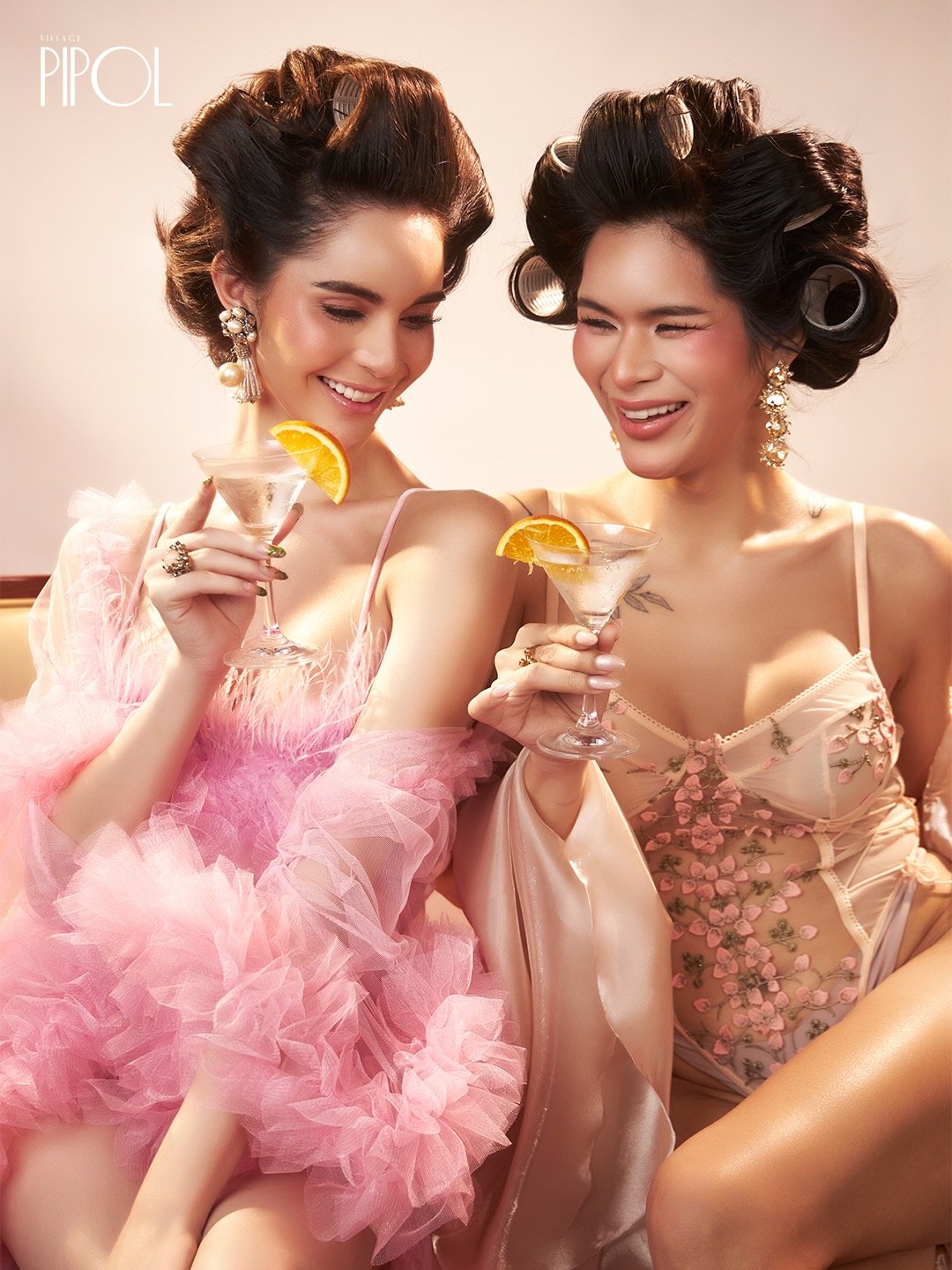
For a long time, conversations about trans people have focused on whether society is willing to accept them. But listening to Kirk and Sofia, it becomes clear that a different conversation is emerging. One that is less about asking for acceptance and more about claiming space. Less about proving their worth and more about living fully.
That may be the most powerful expression of Pride today. Not simply being visible, but being able to move through the world with confidence in who you are. For Kirk and Sofia, that confidence comes from knowing they no longer need to explain themselves. They have already done the harder work: learning to belong to themselves.
Publisher | Richie de Quina (@richiedequina) & Gwynn Crisostomo
Editor-In-Chief | John Luke Chica
COO & Advertising Head | Josh Austria (@imjoshaustria)
Digital Manager | Allen Esteban (@iamallenesteban)
Editor | Renzo Cabitlada (@renzo_czzzz)
Words by Lei Sedero (@arthreo)
Creative Direction | Bea Averilla (@bbeacore)
Assistant Directors | Lei Sedero (@arthreo)
Photography | Roj Miguel (@rojmiguel)
Stylist | Nash August (@iamnashaugust)
Styling Associates | Jadriel Llorca (@j4driel), James Bryan Moral (@yun_poto)
Designers | Ed Soriano (@eduniverse), Servideiu Saluna (@thee3rdd_)
Kirk Popiolek’s Makeup | Guillano Valenzuela (@guillyvalenzuela)
Sofia Trazona’s Makeup | Jovic Brucales (@mark__jovic)
Hairstylist | Mark Jovic (@mark__jovic)
Studio | Visualscape Media (@vsmedia.inc)
Set Design | Jay Laguardia (@lagjerome)
Beauty Props | (@markanthonyrosales)
Furniture & Decor | Mobi Props (@mobiprops)
Video Editor | Maria Elisa Escaniel (@mariyaaaelisa)