


VinFast Drives the Conversation on Smarter Mobility


VinFast enters the Philippine mobility conversation at a time when more Filipinos have started questioning the real cost of everyday driving. With rising fuel prices and increasing transportation expenses, practical mobility now matters more than ever.
While gasoline powered vehicles still dominate the roads, electric vehicles have started to shift from being a futuristic concept into an everyday option that feels more realistic and financially sensible. This shift becomes more visible as brands like VinFast and Green SM introduce mobility solutions designed around actual daily use. Through the Herio Green and Limo Green models, both companies aim to make electric mobility easier to understand and more practical for Filipino drivers and operators.
More importantly, the appeal of EV ownership no longer revolves around exclusivity. It now speaks directly to people looking for smarter financial decisions without sacrificing comfort and mobility. As transportation expenses continue to rise, many drivers have started asking a more important question: does sticking with gasoline vehicles still make sense today?
The Cost of Everyday Driving
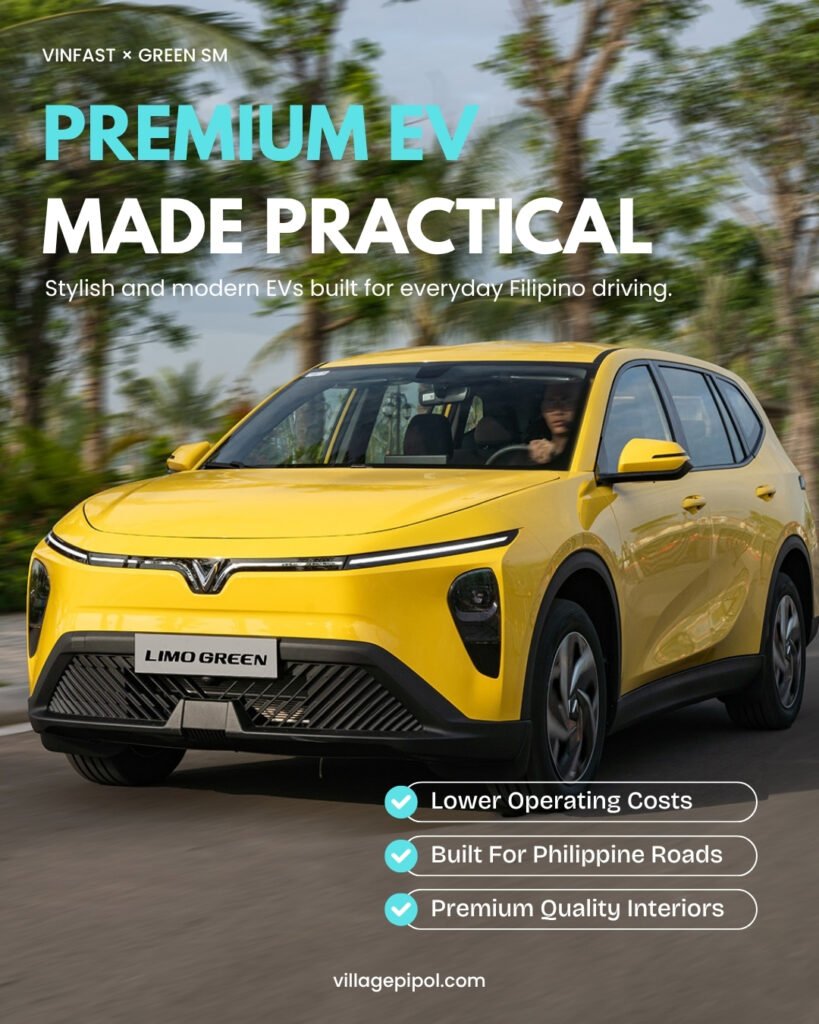
For years, fuel expenses have remained one of the biggest concerns among Filipino vehicle owners. Daily commutes and ride hailing operations often depend on unpredictable gasoline prices that quickly affect budgets. As a result, drivers constantly adjust spending habits just to keep up with transportation costs.
Electric vehicles offer a different approach. Instead of relying on fuel, EVs operate through charging systems that significantly reduce daily operating expenses. According to the campaign rollout of VinFast and Green SM, Herio Green and Limo Green position themselves as mobility options focused on savings, lower maintenance, and smarter long term operations.
Maintenance also plays a major role in the growing EV conversation. Traditional combustion engine vehicles require regular oil changes, engine maintenance, and more frequent mechanical servicing. In contrast, EVs eliminate several of these recurring costs because they run on simpler systems with fewer moving parts. Over time, this creates a noticeable difference in operational spending, especially for drivers who spend hours on the road every day.
At the same time, practical mobility now means understanding the full cost of ownership rather than focusing only on the initial purchase price. While many Filipinos still view EVs as expensive, newer mobility programs continue to reshape that perception by introducing more accessible payment structures and rental opportunities.
Practical Mobility for Real World Use
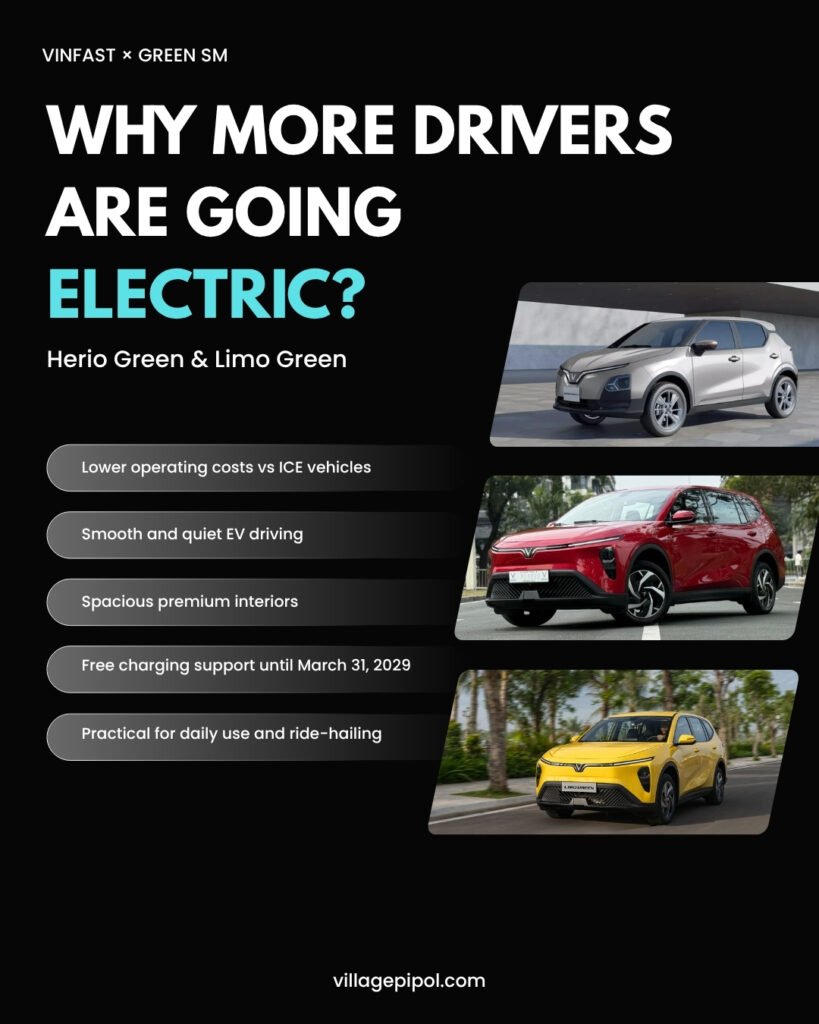
One of the biggest misconceptions surrounding electric vehicles involves accessibility. Many consumers still assume EV ownership requires a massive financial commitment from the beginning. However, newer mobility programs now allow drivers to experience EV operations without the traditional barriers associated with vehicle financing.
Through the rental model introduced by VinFast and Green SM, drivers can begin operating vehicles like the Herio Green and Limo Green through daily deductions rather than standard bank financing. This structure creates a more flexible entry point for drivers who want to explore electric mobility while generating income through ride hailing operations.
Moreover, practicality extends beyond finances. Filipino drivers need vehicles that can handle everyday city movement, unpredictable road conditions, and long operational hours. That is why VinFast focuses not only on sustainability but also on durability, comfort, and usability within Philippine driving conditions.

The growing presence of charging support also contributes to this transition. As infrastructure slowly expands, EV ownership becomes easier to integrate into daily routines. VinFast currently includes free charging support through V Green partner stations for select ownership packages, further reducing operational costs for drivers and operators.
As more Filipinos begin comparing monthly fuel spending against EV charging costs, consumers no longer ask whether EVs look modern enough for today. Instead, they ask whether traditional gasoline vehicles still deliver the smartest value for the future.
A Shift Toward Smarter Mobility
Mobility today reflects more than transportation. It reflects lifestyle choices, financial priorities, and long term thinking. People now want systems that help them move efficiently while also supporting financial stability. That is exactly why the EV discussion continues to grow beyond technology enthusiasts and enters everyday conversations among drivers, operators, and families.
The rise of electric mobility also signals a larger cultural shift. Consumers have become more intentional with spending, especially when recurring expenses continue to increase. Transportation no longer serves only as a necessity. It has become an investment that directly affects quality of life, flexibility, and financial breathing room.
At the center of this transition lies a simple reality: smarter mobility means making choices that remain sustainable not only for the environment, but also for everyday living. Drivers today want vehicles that reduce stress instead of adding to it. Solutions that support long term progress instead of constant financial strain.
As the Philippine mobility landscape evolves, electric vehicles continue to move closer to becoming part of normal everyday life. The question no longer revolves around whether EVs belong in the future. The real question now asks how long drivers can afford to ignore the shift already happening around them.