

Some are asked to apologize before they speak


Today marks the month when we celebrate queerness vibrantly. Many of my queer friends are starting to prepare for their pride march fits, and some are already preparing for the chants they will scream. Meanwhile, some of my friends are still in the closet, wondering when the world will start to be kinder for them to finally feel safe.
Some of them grew in a household where achievements have a heavy hold and failures have no space. Growing up queer inside that kind of environment makes it even heavier. Because aside from carrying the pressure to succeed, you also carry the fear that one mistake could turn your identity into another disappointment your family has to tolerate.
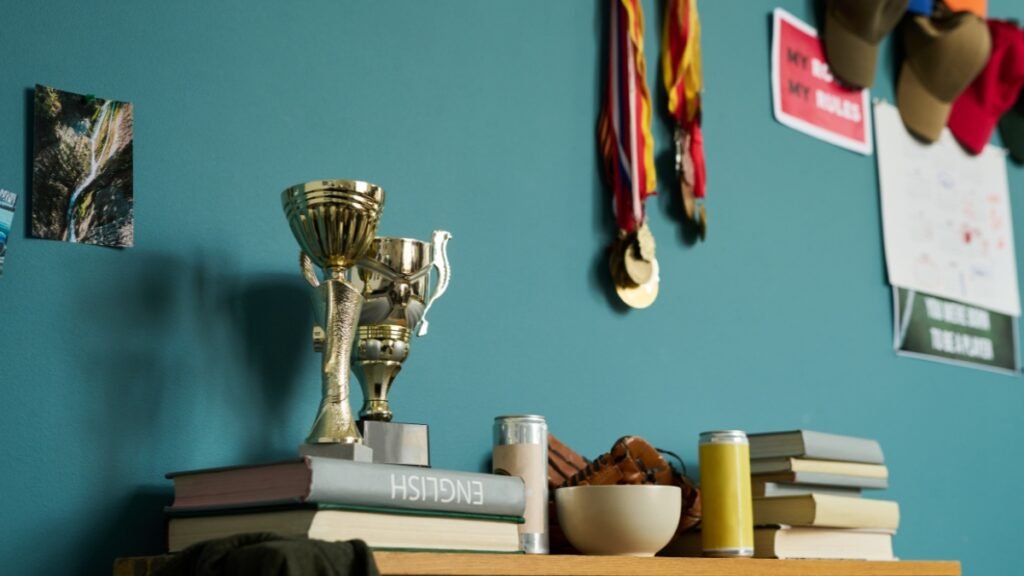
That is what being queer in the Philippines often feels like. Society allows you to exist, but only if you become someone first. In order to exist there must be compensation.
Sure, you can be gay, but you have to be smart.
You can be gay, but you have to be successful.
Moreover, you can be gay, but you have to be talented, funny, attractive, or useful.
You can be gay, but never difficult. Never too loud. Never too emotional. and Never too much.
Some people might call this acceptance, but deep down, we all know that it’s not.
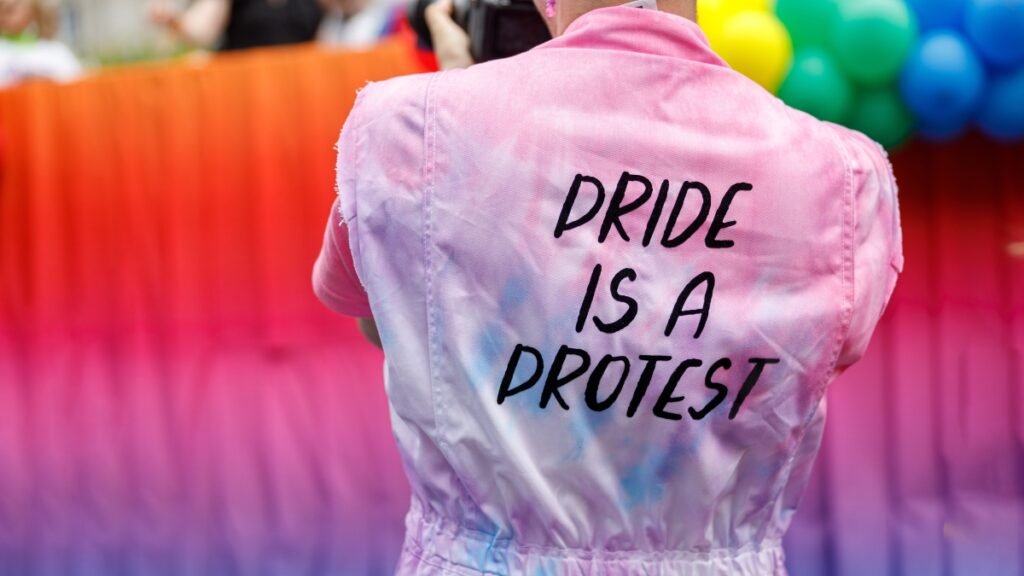
It’s just a conditional tolerance disguised as progress. Apparently some become content with this than being not accepted at all. But some resist, because they believe queer deserve unconditional support and love.
The Philippines loves to market itself as one of the most gay-friendly countries in Asia. We see gay personalities on television, queer beauty queens online, and comedians who are celebrated by mainstream audiences.
Filipinos love gay people when they are entertaining. Families adore the gay child who becomes successful enough to support everyone financially. Schools praise the gay student who consistently excels. Workplaces applaud the gay employee who stays cheerful despite everything.
But what happens when a queer person is ordinary?
What happens when they fail? When they struggle mentally? When they become unemployed, angry, confused, or lost?
Suddenly, identity becomes an insult again.
Because many people here do not fully accept gay people. They simply tolerate them as long as they continue to compensate for their queerness through achievements.
A straight person can exist without needing to prove why they deserve respect. A gay person often grows up believing they need to earn basic dignity first. That is why many queer people overachieve. Success becomes survival and their excellence becomes their protection.
For many of us, being exceptional is an armor. And that continuous pressure to prove is exhausting. It creates queer people who constantly perform for approval. People who become perfectionists because failure feels dangerous. People who learn to suppress themselves just to remain lovable in the eyes of others.

Some queer Filipinos spend years trying to become “acceptable” versions of themselves. Soft enough to not threaten masculinity. Successful enough to silence criticism. Helpful enough to deserve space in the family.
But acceptance that disappears the moment you stop performing is not real acceptance at all.
Real acceptance allows queer people to be human. It allows them to be imperfect, confused, average, and vulnerable without their identity being weaponized against them.
While this conversation may make some people uncomfortable, discomfort should never become an excuse for cruelty. Many Filipinos were raised in conservative households where queerness was misunderstood or treated as shameful, sinful rather.
Being queer does not threaten society. Queer people are not asking for special treatment. They are asking for the freedom to exist without conditions attached to their humanity.
People do not need to fully understand queerness immediately to treat queer people with respect. Compassion should not require complete comprehension first.
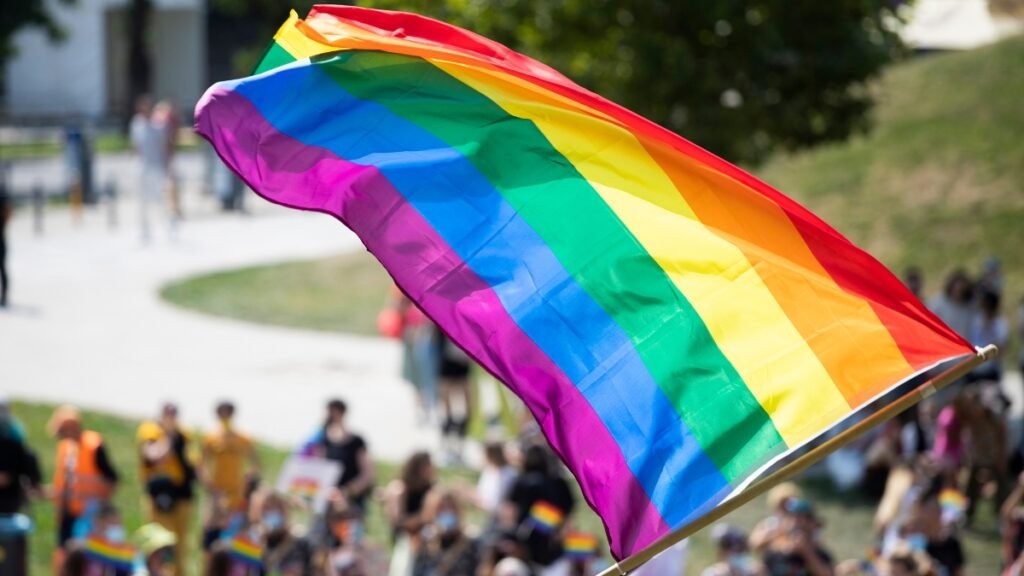
This Pride month, while rainbow flags wave through the streets and music echoes across marches, it is important to remember the people who still cannot come out safely. The people who still rehearse different versions of themselves at home. The people who learned that love inside their own households always came with requirements.
And for every queer Filipino who feels pressured to constantly prove their worth, this is something you deserve to hear clearly:
You do not need to become extraordinary before you deserve dignity. You do not need achievements to justify your existence. And you do not need to shrink yourself just to make other people comfortable. You are already worthy of love, respect, and safety exactly as you are.