

A Silent Threat: Why Aneurysm Awareness Can Save Lives


Aneurysm— many call this a silent threat; a ticking time bomb, something you don’t easily see, not until it happens to you. And once it does, you’ll never expect it. Your mind will flood you with worries, and possibly fear of what might happen next. That’s why it’s better to become aware and even treat this as something that might happen to you.
Aneurysms Are a Silent Threat—Take My Mom’s Story as an Example
For the past few months, our family has faced something we never expected—my mom suffered a brain aneurysm. It all happened so suddenly. She collapsed in our bathroom, and when she managed to get up, she told us that she couldn’t feel any sensation in her arms and legs. She couldn’t stand on her own, so we had to carry her to our neighbor’s car to rush her to the hospital.
At the emergency room, everything moved quickly. She was vomiting and complaining of a severe headache, while doctors immediately ran tests and administered medication. Then came the moment that changed everything—we were told that her CT scan showed a subarachnoid hemorrhage. Her doctor carefully explained her condition, the risks involved, and how life-threatening it was. Despite feeling overwhelmed, I tried my best to stay composed, listen, and understand the options we had.
On her first day, she was admitted to the ICU for close monitoring. It was a tense and uncertain time for all of us. By the second day, further testing through a CT angiogram confirmed what we feared—my mom had a brain aneurysm.
Because You Can’t Always See It, Prevention Matters Most
Thankfully, after more than 19 days in the hospital, my mother successfully underwent her procedure and was finally able to return home the following month. Still, what our family went through is something I wouldn’t wish on anyone. This experience made me realize how much our lifestyle plays a role—why it’s important, as early as now, to understand the risk factors that can lead to an aneurysm.
Main Culprits of Brain Aneurysm
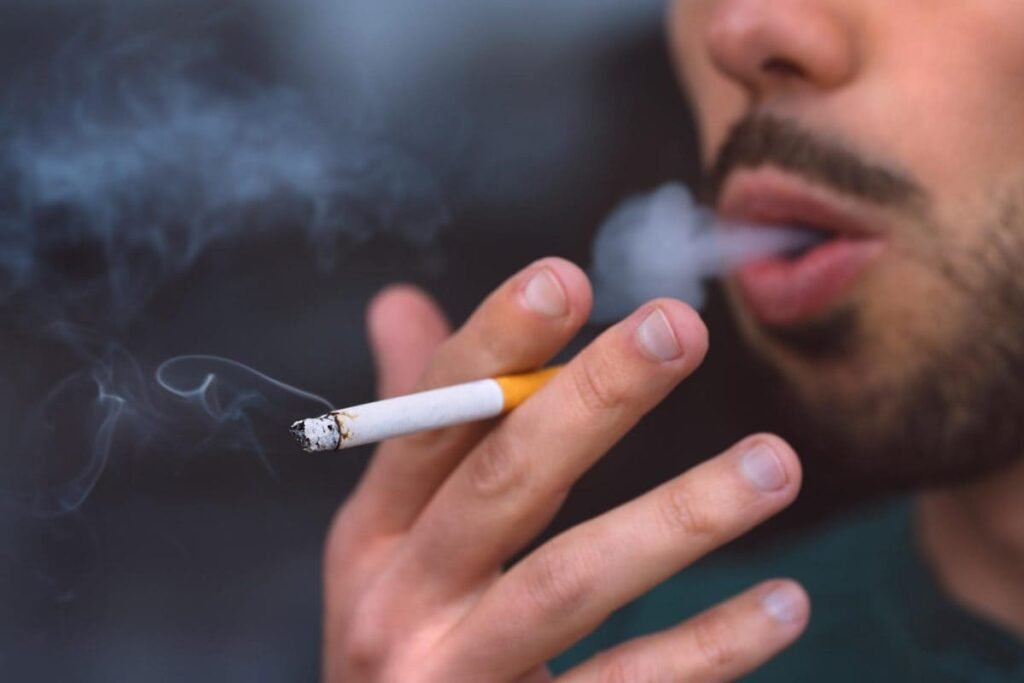
- Smoking or Tobacco Use: This is one of the most significant risk factors that can be controlled. Chemicals like nicotine damage the inner lining of the arteries, weakening them and increasing the chances of aneurysm formation.
- High Blood Pressure (Hypertension): Constantly elevated blood pressure puts excessive strain on artery walls, causing them to weaken over time and raising the risk of rupture.
- Substance Use: The use of stimulants such as cocaine or amphetamines can cause sudden spikes in blood pressure and lead to serious inflammation of the blood vessels.
- Excessive Alcohol Intake: Heavy drinking is associated with increased blood pressure and can contribute to damage in the blood vessels.
- Unhealthy Diet and Obesity: Diets high in saturated fats and cholesterol can lead to the buildup of fatty deposits in the arteries, weakening them. Being overweight also places added stress on the heart and circulatory system.
- Lack of Physical Activity: A sedentary lifestyle negatively affects overall cardiovascular health and increases vulnerability to vascular conditions.
- Chronic Stress: Prolonged stress can result in consistently high blood pressure, placing continuous strain on the blood vessels.
It’s in what we do, what we eat, and what we feed our minds. All the stress, the anxiety—everything we carry—our bodies keep score. That’s why taking care of ourselves isn’t optional; it’s necessary.

We can start building a healthier lifestyle as early as now. It may be challenging in such a fast-paced world, but this is a reminder to slow down. Our bodies need proper rest, and it’s important that we give them that. After all, we only have one body and one life—so let’s take care of it.
We can find healthier ways to cope with stress
Instead of turning to smoking, choose another way to cope with stress. Choose better nutrition—like eating more fiber for digestion and enough protein to support our muscles—can also help prevent other health conditions. As for alcohol and substance use, they aren’t necessities. It’s okay to drink occasionally, but not excessively—focus on reduction, not restriction.
Most importantly, make time to decompress. Read a book, go for a walk—something as simple as walking already counts as physical activity—breathe in fresh air, or try journaling. Do whatever helps you unwind and take a step back from the pressures of work. At the end of the day, your well-being matters more than any deadline.