

How online casinos found a place in Filipino digital life


Ask a Manila commuter what they do on the MRT and the answer is almost always the same: they are on their phones. And not just scrolling. They are paying the Meralco bill, catching a teleserye clip, sending padala to a lola in the province, and lining up a game for the ride home. The country has quietly become one of the most mobile-first places on earth, with 98 million Filipinos online by the end of 2025 and smartphone ownership close to universal. Downtime looks nothing like it did ten years ago.
The phone as the new barkada hangout
There was a time when catching up with friends meant a mall trip or a videoke night. Plenty of that still happens. But a big slice of Filipino social life now sits inside a six-inch screen. Group chats stand in for tambay sessions, watch parties happen over shared links, and the phone has become the default place to decompress after a long day of traffic and deadlines.
What makes the local version distinct is how tightly everything is bundled. Entertainment, communication, and money rarely live in separate apps for the Filipino user. They overlap, and that overlap is the whole point.
When your wallet, your games, and your feed live in one app
E-wallets are the clearest example. GCash and Maya started as a way to send money and pay bills, then slowly became the front door to almost everything else people do on their phones. You can now browse mini-apps, games, and lifestyle services right inside GCash, which tells you how blurry the line between “finance app” and “entertainment app” has become here.
That convenience is doing quiet work. Once paying, playing, and chatting all happen in the same few taps, Filipinos stop treating online entertainment as a special occasion. It is just part of the day, slotted between a jeepney ride and dinner.
Where online casinos sit in the Philippine digital scene
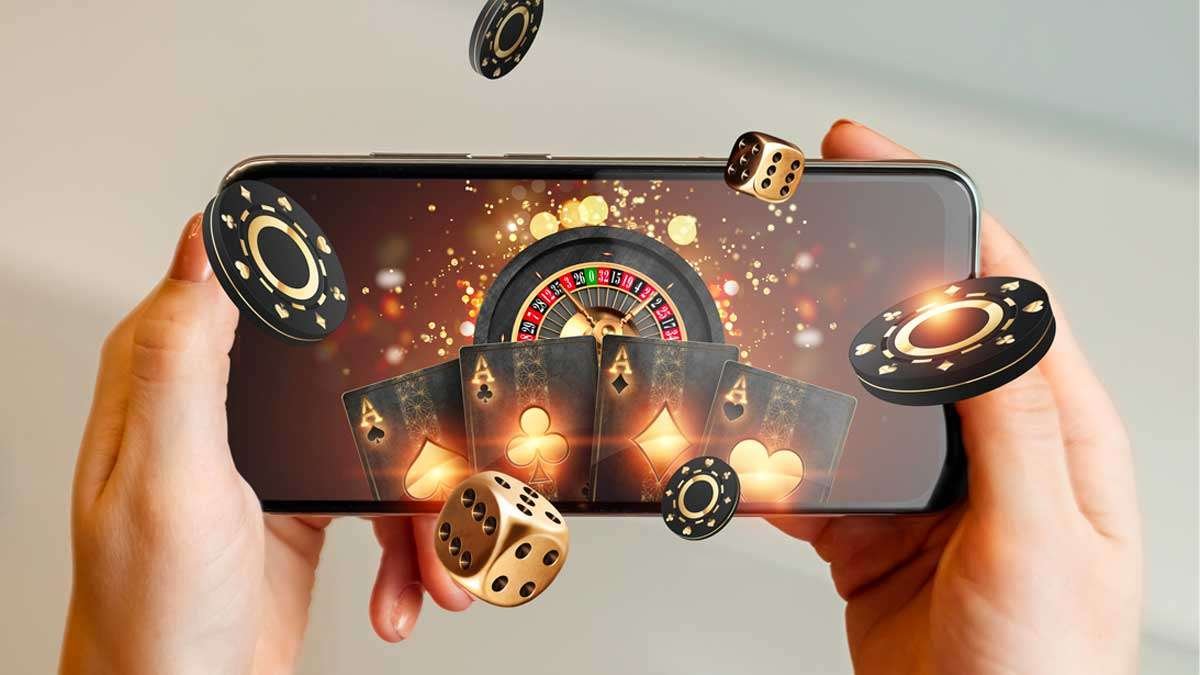
Given all that, it is no surprise that casino-style play moved online too. For a growing number of adults over 21, checking the wider online casino landscape in the Philippines has become one more tab among the shopping deals and streaming apps, rather than a trip to a physical floor. What pulls them in is rarely the gambling on its own. It is the same thing driving everything else on the phone: it is right there, it takes seconds, and it fills the small gaps in a busy day.

The healthiest way most players frame it is the way they treat any spending money, a set budget for fun and a hard stop when it runs out. Regulation runs on similar logic, with PAGCOR setting the legal age and the licensing rules that separate legitimate operators from the ones worth skipping.
A habit that mirrors the culture
None of this happened in a vacuum. Filipinos took to online play the way they took to social media, e-wallets, and food delivery: fast, mobile, social. The activity is newer than videoke or a Sunday cockfight, but the instinct behind it is familiar. Give people a way to have a little fun on their own terms, in the small gaps of a busy day, and they will find it, usually before the MRT reaches the next station.