
Third Places: Finding Your Space in the City


After a long day at school or work, do you always head straight home? Sometimes, you might want to wait out rush-hour traffic, finish a chapter, or meet friends before calling it a day. These are the moments when third places come in handy.
In Metro Manila, daily life often means commuting, attending classes, or working long shifts. Having somewhere else to go can make all the difference.
Popularized by sociologist Ray Oldenburg, the term third place refers to informal spaces outside our homes (first places) and workplaces (second places).
These are places where people gather, interact, and build a sense of community. Over time, familiar faces and shared interests turn these areas into meaningful parts of everyday life.
Room to Pause, Spaces to Connect
Not every third place has to be lively. Libraries, for instance, offer a calm atmosphere for uninterrupted reading and learning while bringing people together with similar interests.
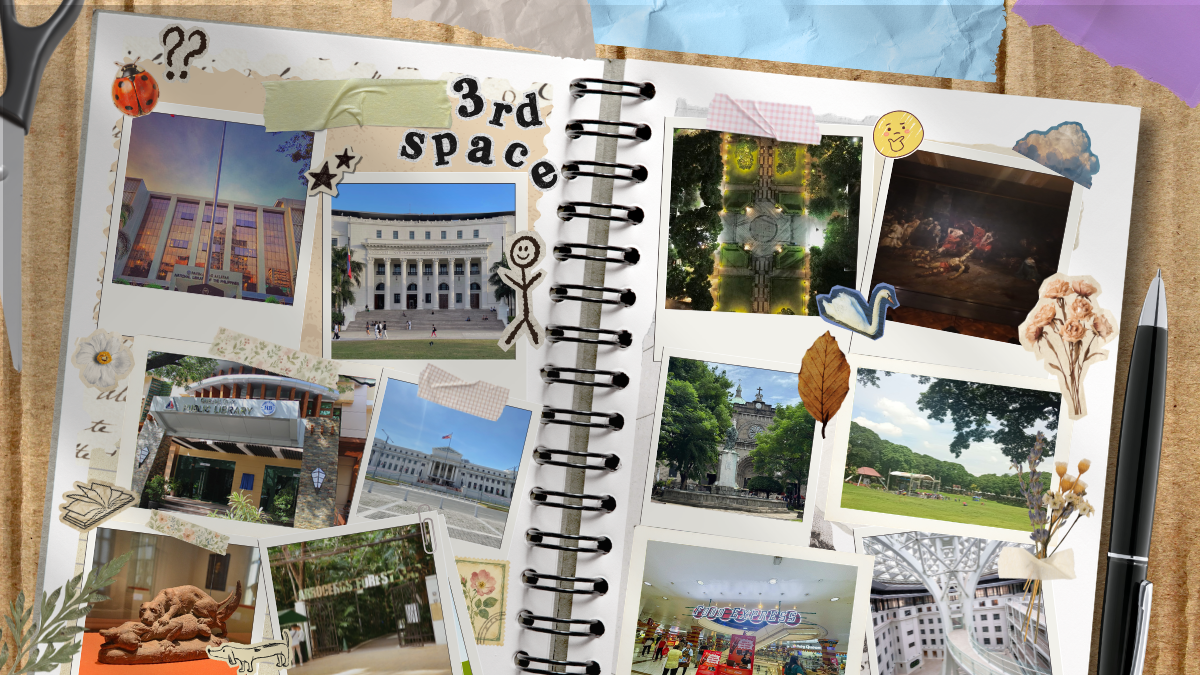
The Quezon City Public Library and the National Library of the Philippines welcome visitors to explore their collections and use their facilities for research and leisure reading.
Their quiet reading spaces provide students, professionals, and other visitors with a common place to learn and share their interests.
For those who prefer going outside, the Sunken Garden at the University of the Philippines Diliman offers an open-field near the campus’ tree-lined Academic Oval.
Beyond leisurely walks and outdoor recreation, it also serves as a venue for university fairs, sports, and other activities, bringing students and visitors through shared experiences
Third Spaces Where Company Makes Easy
Public plazas, food courts, and other shared spaces make it easier to meet without elaborate plans or expensive outings. A simple get-together is enough to catch up and enjoy each other’s company.
Within Intramuros, Plaza Roma and Plaza Moriones offer places to pause during a stroll.
For a more casual dining experience, Food Express on Level 3 of Araneta City’s Gateway Mall 1 in Cubao. It features food stalls serving dishes from various cuisines.
From Sisig Hooray‘s hearty rice meals, Mr. Kimbob‘s Korean sizzling plates, or Bebang Halo-Halo‘s sweet treats. This variety lets friends satisfy different cravings while exchanging stories.
Community Spaces for Shared Interests
Museums and galleries offer more than a change of scenery. They help visitors discover history, appreciate art, and connect through shared cultural experiences.
The National Museum Complex in Rizal Park is a good place to start.
At the National Museum of Fine Arts, visitors can see Juan Luna’s Spoliarium. This painting depicts fallen Roman gladiators and is often read as an allegory of Filipinos’ struggle under colonial rule.
The museum also features José Rizal’s La Venganza de la Madre, a terracotta sculpture of a mother dog defending her puppy from a crocodile, symbolizing the country’s resistance against oppression.
Meanwhile, the National Museum of Anthropology showcases the country’s cultural heritage through archaeological and ethnographic collections, including the renowned Manunggul Jar.
The National Museum of Natural History, on the other hand, celebrates Philippine biodiversity through its botanical, zoological, and geological exhibits, including the preserved remains of Vishwa Ma’ali, the country’s beloved elephant.
Best of all, admission to all three museums is free! It makes them accessible spaces for visitors to learn and appreciate our shared cultural heritage.
Beyond museums, green spaces also give people room to connect.
Beyond museums, green spaces also bring people together.
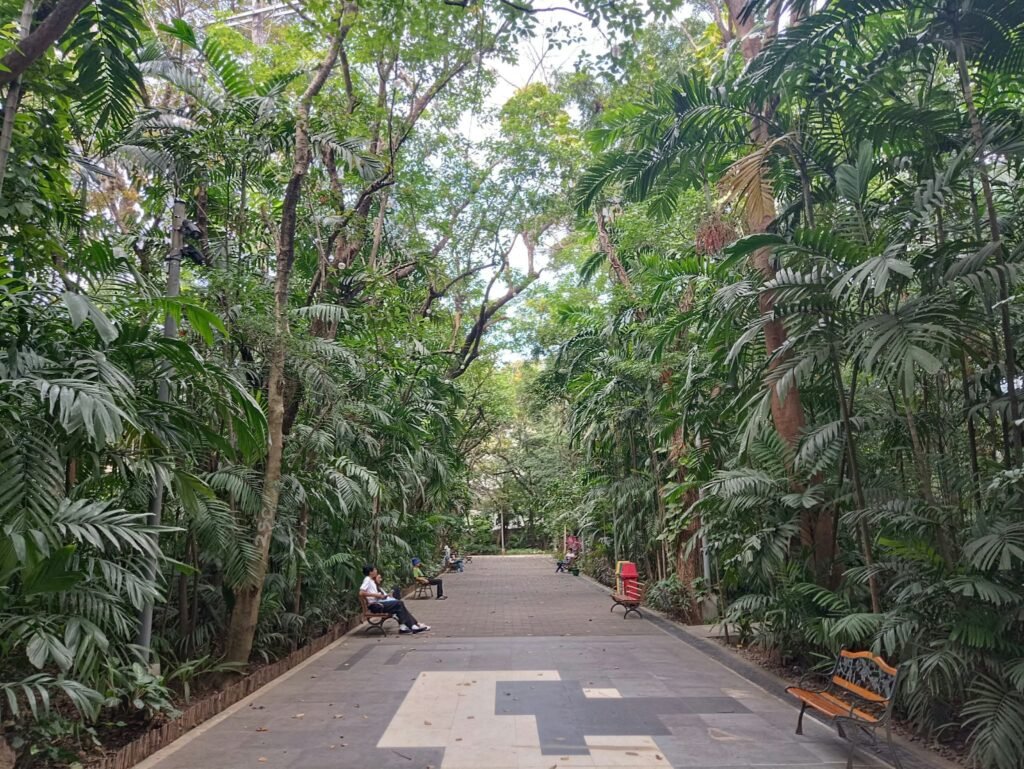
Arroceros Forest Park offers a refreshing escape from the crowded streets with its shaded walkways and lush greenery. Visitors can stroll, catch up with friends, or simply enjoy nature in the heart of Manila.
Find Your Own Third Space in th City
Third places are more than just places to pass time. It doesn’t have to be a trendy a trendy café or an elaborate destination. It can be a library, a public plaza, a museum, or a park—somewhere people can return to, encounter familiar faces, and feel connected to a wider community.
The city may set the pace, but these shared spaces give us room to connect on our own.