

Filipino Dream Homes: More Than Luxury, They’re About Family, Identity, and Legacy

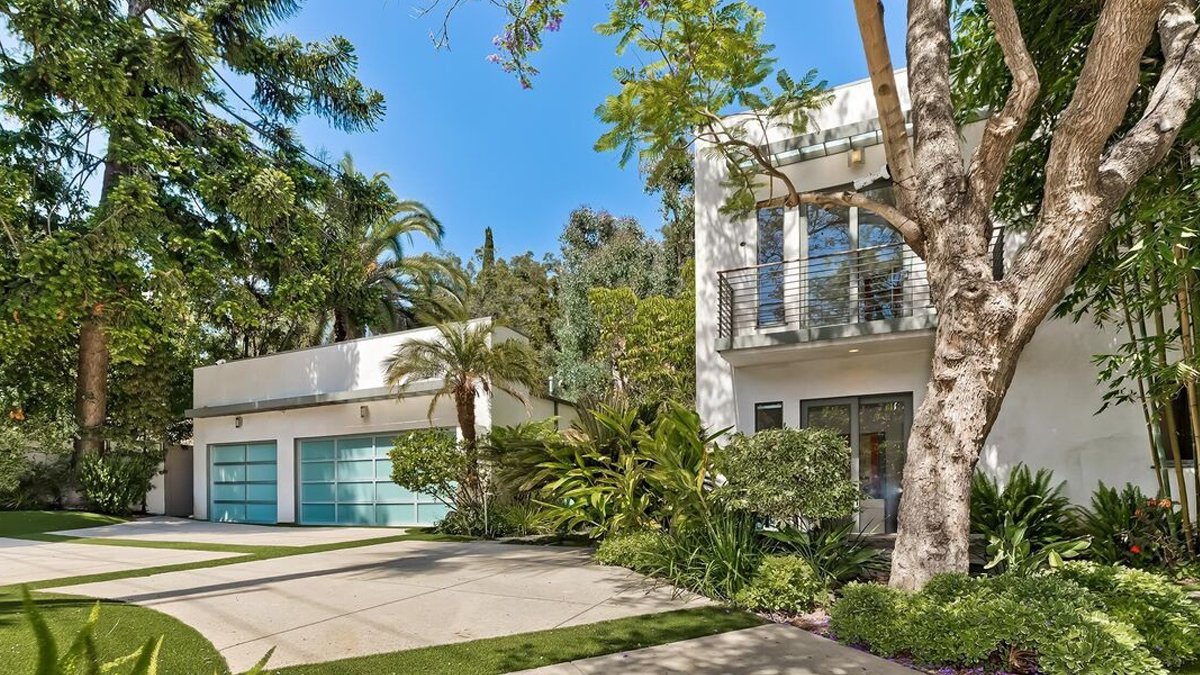

Celebrity house tours are always entertaining to watch. From spacious kitchens and sparkling pools to walk-in closets, dramatic staircases, and living rooms that seem made for the camera, there is always something that makes us say, “Now, that is a dream home!” But once the initial excitement fades, the houses we remember most are usually the ones that let us see the people living inside them. And maybe that is why these tours connect so strongly with Filipino audiences. A dream home can be a symbol of success, of course, but it can also reveal how someone values family, privacy, comfort, and the long journey that finally turned a dream into an address.
A Home That Tells Its Owner’s Story
Village Pipol’s look at Pinoy celebrity house tours proves that the best home tours offer much more than gorgeous rooms; they show how personality, priorities, and memories can shape every corner.
Bea Alonzo’s close involvement in the design process made her newly-renovated home feel unmistakably personal. Kryz Uy and Slater Young’s Skypod, meanwhile, stood out for its bright and airy connection to the outdoors, while Team Kramer’s mountaintop home placed family time at the heart of everything, from its spacious kitchen to its in-house cinema.
Vice Ganda’s Valur told a different but equally personal story. Sporting bold furniture and a predominantly dark colour palette, the house definitely screamed “Vice Ganda,” but it was the journey behind the home that gave the tour its emotional weight.
These homes are unforgettable because they do not feel copied and pasted. Their owners are present in the furniture, colours, layouts, and little details; that personal touch is what turns a beautiful house into a real home.
What Makes a Dream Home Feel Filipino?
There is no single formula for a Filipino interior. A modern condominium in Metro Manila may look nothing like a family home in the province, and that is exactly the point. Filipino identity often appears less through one specific design trend and more through the way a home is lived in, shared, and remembered.
We may see it in a dining table prepared for family gatherings, photographs displayed throughout the house, inherited furniture, or an extra room kept ready for relatives. Even the familiar details of a classic Pinoy home can reveal household traditions, resourcefulness, and memories that no luxury checklist could ever fully capture.
And this is why a home does not have to be perfectly styled to feel special. The signs of daily life give it character, while the moments that happen inside each room give it heart. A space becomes meaningful not simply because it photographs beautifully, but because it holds the routines, laughter, and stories of the people who use it.
When Luxury Starts to Mean More
Luxury, often associated with size, expensive materials, and exclusivity. But for many families, comfort, convenience, and peace of mind are just as important, especially when a home is designed to make everyday life feel a little easier.
Village Pipol’s coverage of modern living in the Filipino home reflects this broader idea. Smart-home features are not only impressive additions; when used well, they can simplify routines, improve security, and give families more time for one another.
The best technology does not need to steal the spotlight. It should quietly work in the background and support the people using it. The same goes for good design: a home works best when its layout, lighting, materials, and features fit the life happening inside it.
In that sense, luxury may look less like a room filled with expensive pieces and more like feeling secure after a long day, having a kitchen where everyone naturally gathers, or finding enough privacy for each person to enjoy a quiet moment.
When a Home Becomes Part of a Legacy
Celebrity homes can take on an even deeper meaning over time. They may begin as private spaces, but they can later become connected to how a public figure remembered and to the quieter life that existed beyond the camera.
This is something approached with care, particularly when the person has passed away. A former residence is not merely a piece of celebrity trivia; it may hold years of family memories, creative work, private routines, and moments spent away from public attention.
One example is the longtime Brentwood residence of the late Bob Saget. Many viewers knew him through family television, although the official Bob Saget website also reflects his work in comedy, directing, writing, podcasting, and philanthropy.
His home at 1016 North Bundy Drive, designed by Douglas Busch and featured natural materials, abundant daylight, indoor-outdoor connections, and integrated home controls. Readers interested in its design can explore Douglas Busch’s residential projects and the architectural profile of 1016 North Bundy Drive.
The residence is only one example of a much bigger idea. Homes associated with public figures remain interesting because they show a side of life that fame cannot fully reveal: the desire for privacy, comfort, familiarity, and a place that feels personal. Fame may put someone in the spotlight, but home is often where that spotlight finally switches off.
More Than a Picture-Perfect Background
Celebrity homes may first catch our attention because of how they look, but their deeper appeal comes from the stories they hold. The marble, glass, dramatic lighting, and carefully chosen furniture may create the wow factor, yet it is the life behind those details that stays with us.
For one owner, a dream home may represent years of hard work. For another, it may provide privacy after a highly public career. And for a Filipino family, it may be the place where relatives gather, traditions continue, and ordinary moments slowly become lasting memories.
The details will be different in every household, of course. What matters, whether the home feels connected to the people inside it, because the most memorable spaces, not simply decorated; they are lived in.
A meaningful home does not need every luxury feature. It needs spaces that fit the lives lived there. Personality makes it recognizable, family gives it purpose, and the memories created within it become part of its legacy.