

The Lost Filipino Cookbook gives you content about Filipino recipe history

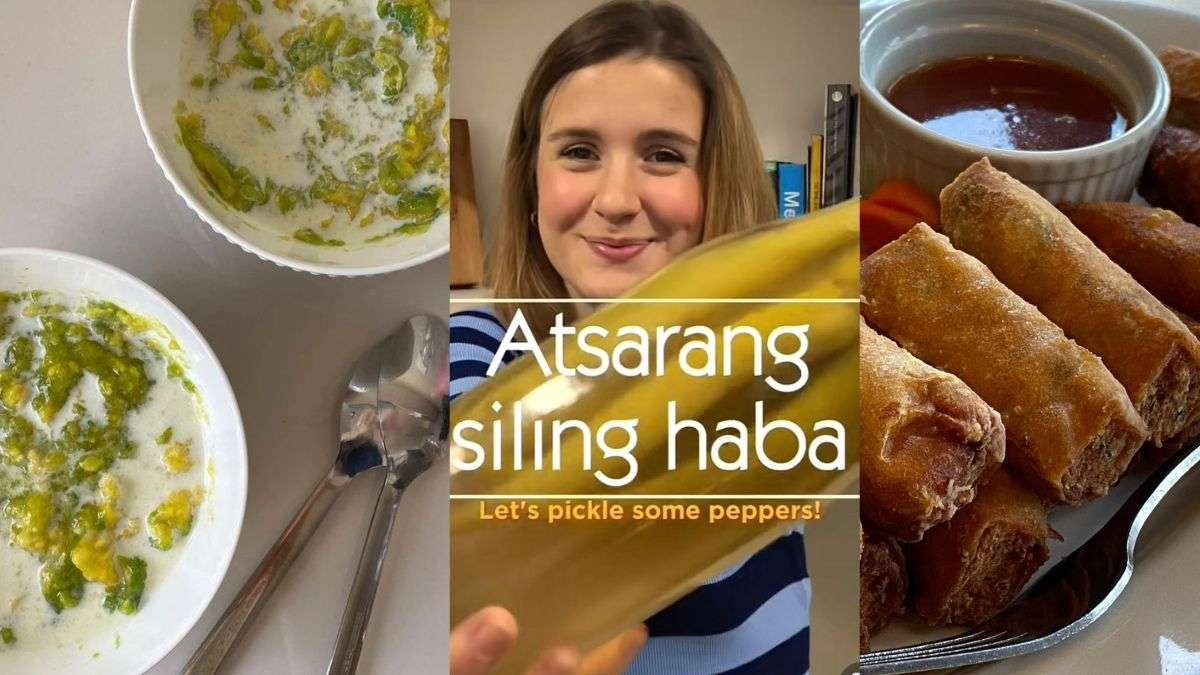

Meet the Lost Filipino Cookbook, a content creator on Tiktok who features Filipino cuisine and its origin recipes. Roberto Villar Cabral and Beatrice Gomez-Villa Cabral handle the TikTok page. Their Tiktok page posts delectable Filipino dishes, while following the original recipe origin. The creators behind the TikTok page also dub their videos with a quick but accurate history of Filipino food, which made the video more interesting and educational.
The Lost Filipino Cookbook gives you content about Filipino recipe history
The Lost Filipino Cookbook’s first video features how Filipinos cook Burong Paho or pickled little mangoes. This recipe was initially discovered by the Spaniards when they arrived in the Philippines. They made Burong Paho as a resemblance to their original recipe, Spanish Olives.
Who knows if the original recipe for Tinola has potatoes in it? The Lost Filipino Cookbook has also shared an educational recipe inspired by the 1913 recipe for Tinola de gallina, also known as Tinola. The recipe shared in the video is being prepared in a palayok, making the video more interesting.
The Spaniards have been comparing this recipe from our Kilaw and labeling it as the “Adobo of the Natives.” Little did they know, Filipinos is cooking adobo even before the Spaniards. Adobong Puti is with pure white vinegar for hours until the braise reduces. The meat is cooked using the fat, adding a brown and appetizing color to the Adobo. This recipe has different styles according to the region’s accessible spices. There is Adobong Dilaw from Southern Tagalog which has a unique yellow color from turmeric. Adobong Pula, which has atsuete or annatto which gives the adobo a vibrant, red color. The Bicolanos, who are abundant with coconut and ginger, created Adobong Gata which highlights the fresh hint of coconut. Lastly, Adobong Itim is an Adobo recipe with soy sauce.

It is really inspiring and refreshing to see that there are content creators who are reviving and recalling our rich history in cooking.
Make sure to follow The Lost Filipino Cookbook on their social media accounts for more recipes.