
The iPhone Duo gives the iPhone Experience a Whole New Shape

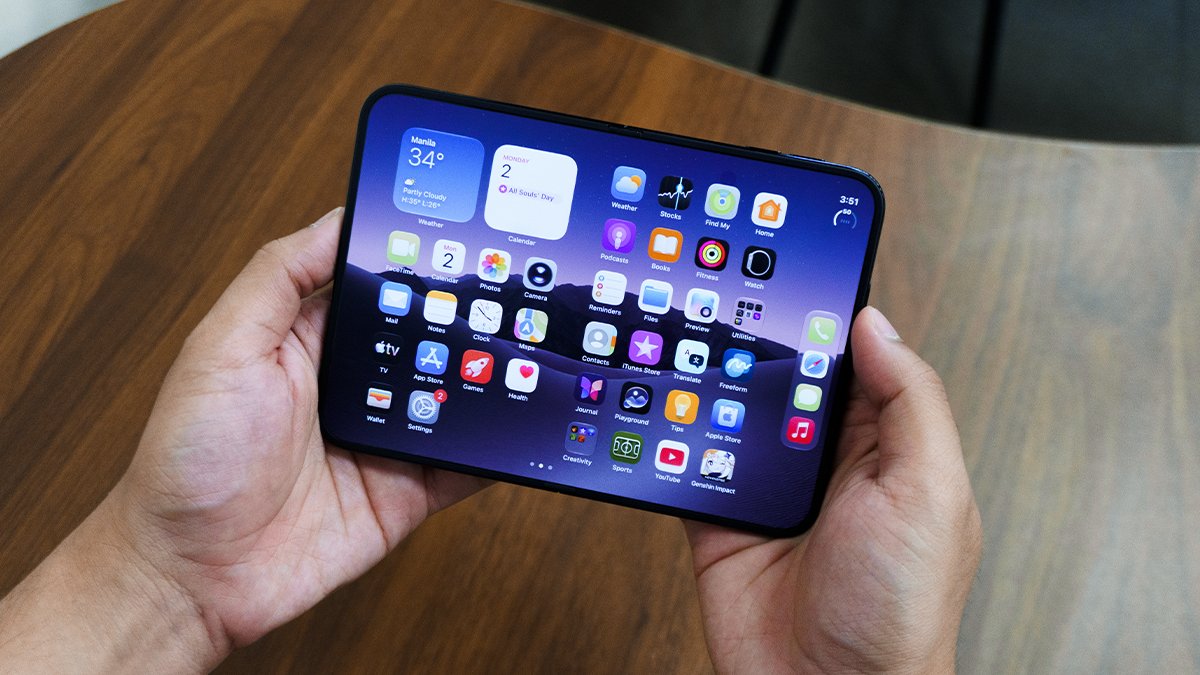

Experiencing a place from a different perspective can make even familiar surroundings feel new. During a recent museum trip to Quezon Memorial Circle in Quezon City, I brought along the iPhone Duo to photograph some exhibits and little moments in between. It was a chance to put its cameras to the test while discovering what makes Apple’s first foldable iPhone more than just another smartphone with a bigger screen.
Foldable phones aren’t exactly new territory, but the iPhone Duo brings an interesting interpretation to the category. It combines the familiarity of an iPhone with the versatility of a much larger display, creating an experience that feels different without requiring users to completely change how they interact with their device.
Build and display
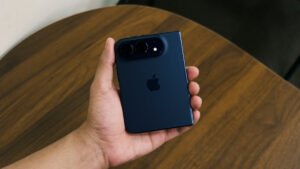
Closed, the iPhone Duo resembles a passport, making it comfortable to hold and easy to slip into a pocket. Its 5.4-inch outer Super Retina XDR display provides a familiar smartphone experience for everyday activities, whether you’re checking notifications, replying to messages, or scrolling through social media.
Open it, however, and you’ll find an impressive 7.6-inch Super Retina XDR display, the largest ever on an iPhone. Despite its expansive proportions, the device becomes remarkably thin when unfolded, offering a tablet-like viewing experience without carrying an entirely separate device.
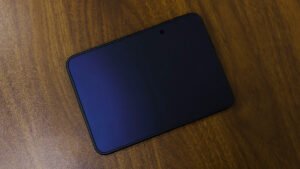
Apple’s nano-texture finish is another welcome addition. Designed to reduce glare and reflections, it makes viewing content more comfortable while minimizing the appearance of the display crease. Touch ID also returns in a practical new position, integrated into the side button for convenient authentication whether the phone is open or closed.
Performance
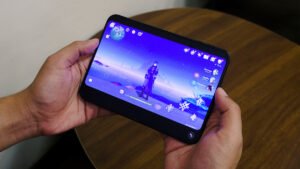
A bigger display wouldn’t mean much without software that takes advantage of it. Fortunately, iOS 27 introduces several changes designed specifically for the iPhone Duo’s foldable form.
One of the most significant additions is Split View, which brings side-by-side multitasking to the iPhone for the first time. You can keep two applications open simultaneously, making it easier to reference a webpage while writing a message or review documents without constantly switching between apps.
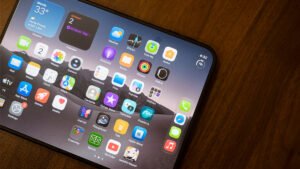
The interface also adapts depending on how you hold the device. Essential controls move toward the sides to maximize vertical viewing space, while the system automatically adjusts when you fold, rotate, or switch between displays.
Powering these experiences is the A20 Pro chip, Apple’s most powerful iPhone processor. With substantial improvements across the chip, particularly for intensive AI, it provides the processing capabilities needed to support demanding applications and the increasingly intelligent features of iOS 27.
Camera
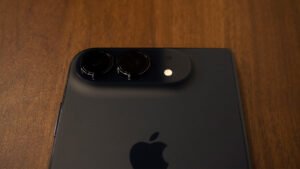
Taking the iPhone Duo around Quezon Memorial Circle gave me an opportunity to explore its photography capabilities beyond the usual everyday shots. Inside the museum, I photographed exhibits, details, and different corners of the space, putting its versatile camera system to practical use.
The 48MP Fusion Main camera is particularly useful for capturing intricate details, while its zero shutter lag helps ensure that spontaneous moments don’t pass you by. When I wanted to get closer to specific exhibits, the integrated 2x optical-quality Telephoto offered another perspective without requiring me to physically move closer.




For wider compositions, the 48MP Fusion Ultra Wide camera made photographing larger displays and group shots easier. Together, the cameras provide flexibility for different shooting situations, whether you’re documenting a museum visit or capturing everyday adventures.
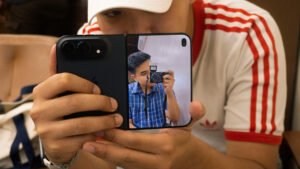
What makes the experience more interesting, however, are the foldable phone’s additional shooting capabilities. With Duo Preview, subjects can see themselves on the outer display while you’re taking their photos, allowing everyone to check the framing and adjust their poses in real time. Meanwhile, Kid Cue uses playful animations on the outer screen to catch children’s attention, making family portraits a little less challenging.

The 12MP Center Stage front camera also automatically adjusts its field of view to accommodate everyone in a selfie. Even better, the FaceTime camera sits behind the inner display, preserving the uninterrupted viewing experience until you need it.
Battery

A device with two displays naturally raises questions about battery life. The iPhone Duo addresses this through its dual-battery architecture, with one high-energy battery positioned on each side.
Apple estimates up to 44 hours of video playback using the outer display and up to 31 hours using the inner display. For typical use across both screens, it promises up to 24 hours. These figures give users flexibility to enjoy the larger display without constantly worrying about finding a charging outlet.
Overall thoughts
The iPhone Duo represents a significant shift in what an iPhone can offer. Its foldable design isn’t simply about giving users more screen space; it’s about making that additional space genuinely useful through multitasking, more flexible photography, and an interface that adapts to different ways of using the device.
Of course, the unconventional form factor won’t appeal to everyone. Those who prefer the simplicity of a traditional smartphone might not immediately find a reason to switch. But for users who want the convenience of an iPhone with the added functionality of a larger display, the Duo makes a compelling case.
After taking it around the museum and exploring its different capabilities, what stands out is how naturally it brings together two familiar experiences. The iPhone Duo doesn’t just unfold into a bigger screen. It unfolds into more possibilities for how we work, create, capture, and enjoy the things we love. Learn more about the iPhone Duo here, and see for yourself if you’re folding for Apple’s first-ever foldable.