


How Modern Engine Technology Is Shaping Today’s Driving Experience

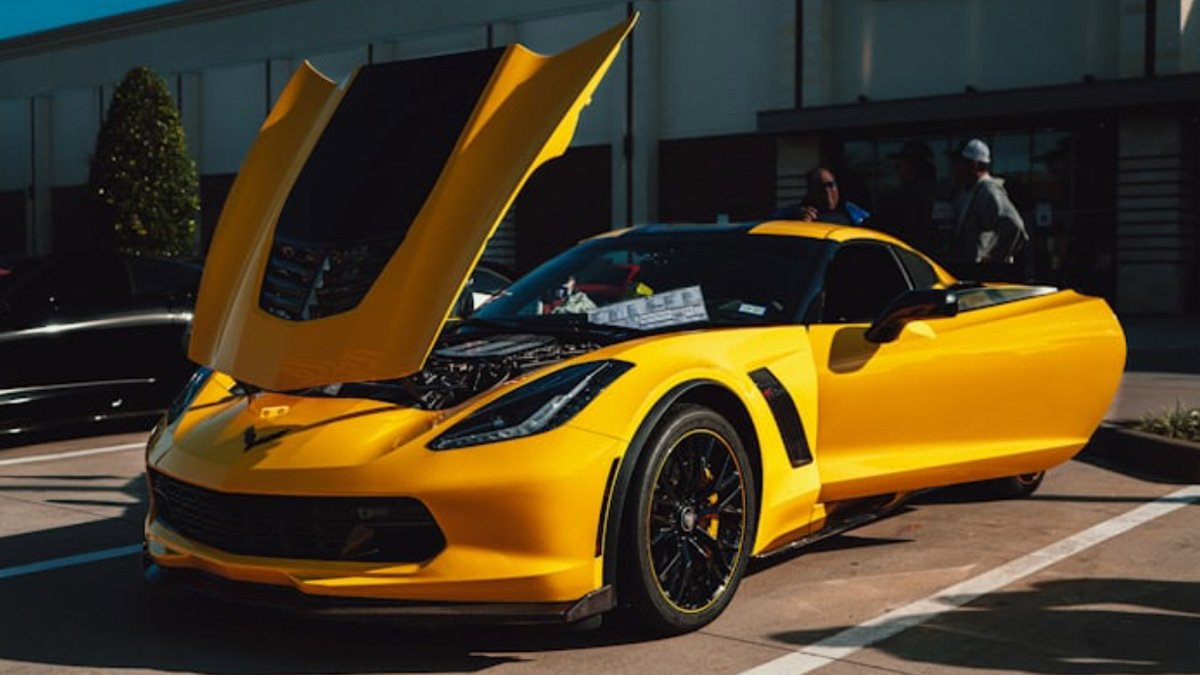

Modern engines have transformed the way drivers experience performance, comfort, and efficiency on the road. The combination of precision engineering, digital control, and advanced materials has made today’s vehicles more responsive, more refined, and far cleaner than those of past decades. Where drivers once had to choose between power and economy, or between performance and emissions compliance, the latest generation of engines now manages to deliver all three. The result is a driving experience that feels smoother, more powerful, and more connected than ever before, shaped by technology that works quietly in the background to make every journey better.
Smarter combustion and better control
The core of this transformation lies in how engines burn fuel. In older designs, air and fuel mixing depended largely on mechanical parts that could not adapt quickly to changing conditions. Today, high-pressure direct injection systems, electronically controlled valve timing, and fast-acting ignition systems allow combustion to be fine-tuned in real time. These systems constantly monitor conditions such as temperature, air density, and throttle input, then adjust fuel flow and spark timing to achieve the best balance of power and efficiency.
This precise control allows for higher compression ratios and leaner mixtures, which improve thermal efficiency and reduce emissions. At the same time, new combustion chamber shapes and advanced coatings help resist knock and manage heat, ensuring that engines can produce more power without sacrificing reliability. This is how many modern vehicles can offer both strong acceleration and exceptional fuel economy.
The continuing evolution of power and refinement
Modern engines have reached a level of refinement once reserved for top-end luxury models. Innovations in noise reduction, engine balancing, and active mounts make them smoother than ever before. Meanwhile, advanced lubrication systems and stronger lightweight materials ensure durability even under higher stresses and temperatures.
High-performance examples, such as the GM 6.2 engine, showcase how cutting-edge design can combine thrilling power with everyday drivability. Engines like these use advanced airflow management, variable valve timing, and sophisticated electronic calibration to deliver strong torque throughout the rev range while still meeting strict emissions and reliability standards. Such engines prove that performance and responsibility can now coexist in a way that enhances the entire driving experience.
Turbocharging, downsizing, and hybrid assistance
One of the biggest shifts in engine design over the past two decades has been the rise of turbocharging and downsizing. Instead of using large engines to make power, manufacturers now rely on smaller, lighter engines paired with turbochargers that compress incoming air, allowing more energy to be extracted from every drop of fuel. This approach not only boosts performance but also improves efficiency under normal driving conditions, since the engine spends more time operating in its most efficient range.
Turbocharging has also changed the feel of modern driving. The surge of torque available from low speeds makes vehicles feel more responsive and confident in everyday situations, such as merging onto highways or overtaking slower traffic. When combined with mild or full hybrid systems, turbo engines can smooth out their power delivery even further, since electric motors can fill in any gaps in torque while reducing overall fuel consumption. The integration of electric and combustion power has become a defining feature of the modern driving experience, blending instant electric response with the endurance and range of traditional engines.
Cleaner power through technology
Environmental responsibility is a central part of modern engine design. Engineers have developed intricate systems to reduce emissions without taking away from the driver’s enjoyment. Advanced exhaust aftertreatment, particulate filters, and three-way catalytic converters now clean exhaust gases to an extent that would have been impossible a generation ago.
Thermal management systems help engines reach their optimal temperature more quickly, reducing cold-start emissions and improving efficiency in short trips. Cylinder deactivation and start-stop systems also play key roles by turning off parts of the engine, or even the entire engine, when full power is not needed. These innovations work invisibly, allowing drivers to experience smooth operation while significantly cutting fuel use and emissions.
Precision and responsiveness: the software advantage
Software and sensors have become just as important as hardware in shaping how a modern engine feels. The engine control unit, or ECU, acts as the brain, processing information from hundreds of sensors throughout the vehicle. It decides how to manage airflow, fuel delivery, spark, and even turbo boost pressure in milliseconds. The result is immediate throttle response, smoother idle, and optimized performance under every condition—from city streets to mountain highways.
In premium and performance vehicles, this technology taken even further through selectable drive modes. With a simple button press, the ECU adjusts throttle mapping, valve timing, transmission shifts, and sometimes even exhaust sound. This allows a single car to feel relaxed and efficient during the daily commute, then eager and sharp during spirited driving.
The driver’s perspective: what technology feels like
From behind the wheel, modern engine technology translates into smooth, predictable, and enjoyable driving. Throttle response is crisp, gear shifts are seamless, and power arrives exactly when it’s needed. The quietness of operation at cruise, followed by controlled surge during acceleration, reflects years of progress in balancing power delivery and refinement.
For many drivers, the difference is subtle yet significant: there is less hesitation, less vibration, and more consistency in how the car behaves. Even in heavy traffic or stop-and-go situations, systems like automatic start-stop operate with minimal intrusion, showing how technology now works to improve comfort as much as efficiency.
The modern engine driving experience is shaped as much by engineering innovation as by design or style. The combination of turbocharging, hybridization, smart software, and cleaner combustion has created engines that are more powerful, more efficient, and more responsive than ever before. These technologies operate invisibly but define what drivers feel—smooth torque delivery, instant response, low noise, and reduced environmental impact. As engines continue to evolve alongside electrification and automation, they remain the beating heart of the driving experience, proving that progress in performance and sustainability can go hand in hand.