
Why We See Ourselves in HIRONO

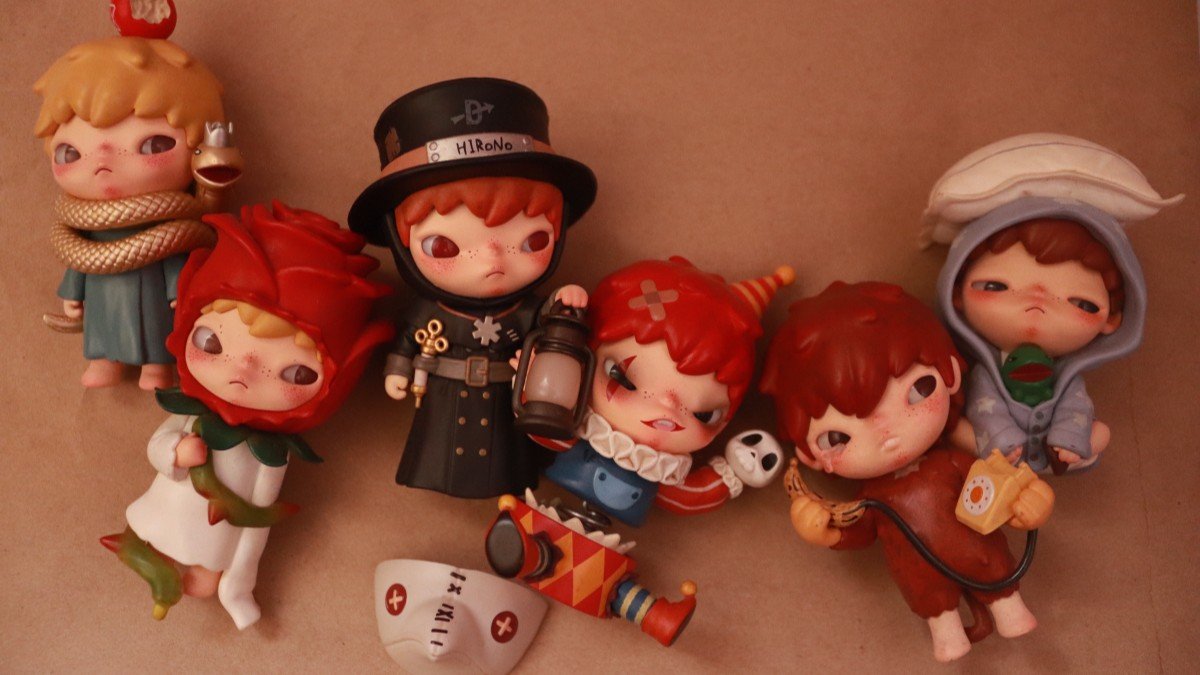

Sometimes, we don’t buy things simply because they look good or cute. We buy them because something about them feels familiar.
There is something oddly comforting about a little figure with tired eyes and a look that seems to carry a thousand unspoken feelings. It does not necessarily look happy, nor does it try to be. Yet people keep collecting it, displaying it on their shelves, and searching for the particular figure that speaks to them.
Meet HIRONO, the collectible character created by artist Lang under POP MART. Unlike many designer toys that focus on cute appearances and playful expressions, HIRONO explores the more complicated sides of being human. Through its different designs, it represents emotions such as loneliness, uncertainty, anxiety, vulnerability, and the struggles of growing up.
But perhaps that is what makes HIRONO special: people find pieces of themselves in its characters.
Little Figures, Deeper Meanings & Feelings
Each HIRONO series and figure carries a different visual story, allowing collectors to connect with them in their own ways.
The Snake (Little Prince Series)
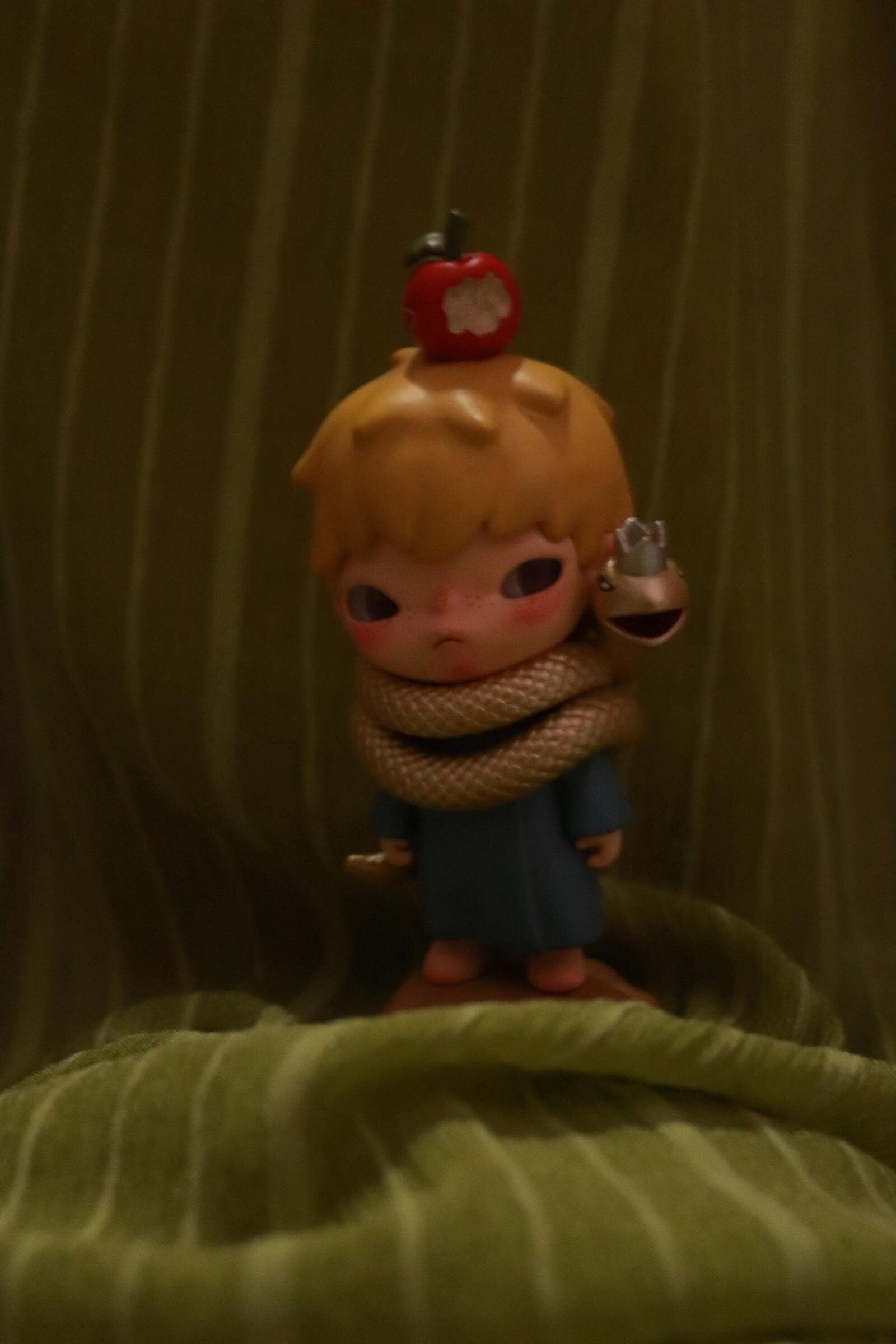 Reminds us that letting go is part of moving forward. Whether it is a person, a relationship, or a chapter of our lives, some things are not meant to stay forever.
The Rose (Little Prince Series)
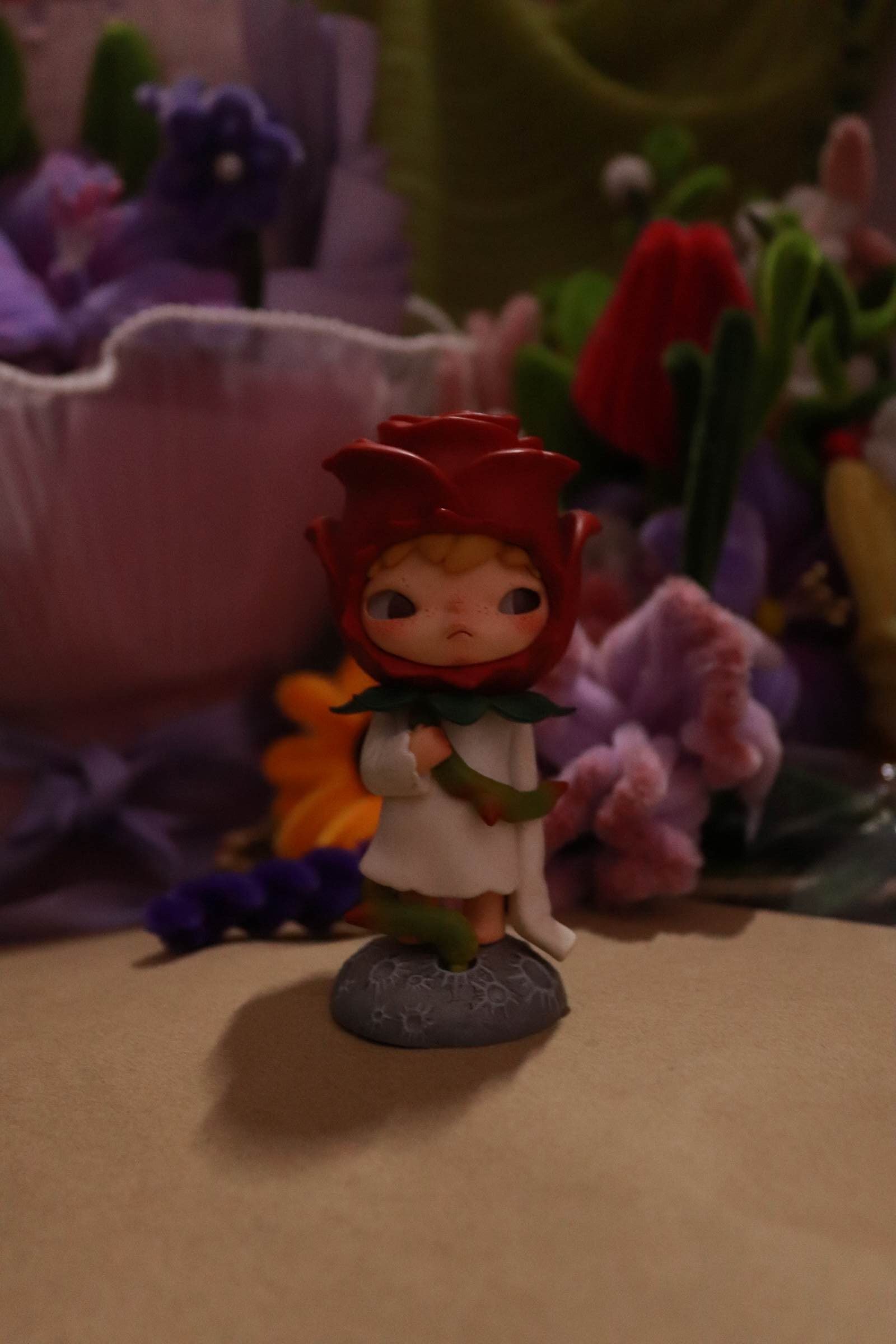
Reflects the complicated nature of love. Inspired by the Little Prince and his rose, it reminds us that loving someone means understanding their imperfections and accepting them despite all of their flaws.
Raving (The Other One Series)
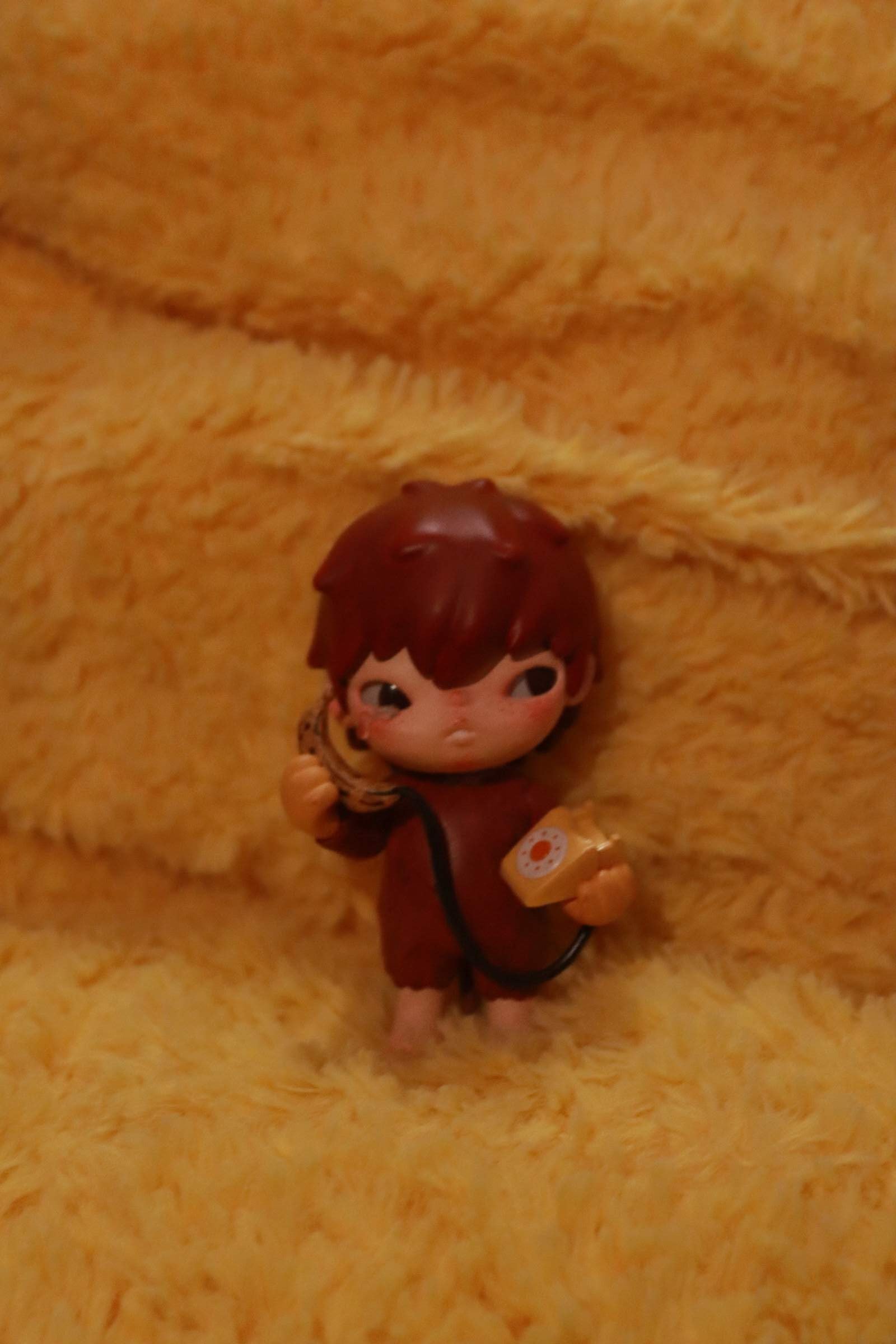
Reflects the chaos we sometimes carry inside. Its unusual appearance brings to mind having too many thoughts and emotions at once, especially when we struggle to put them into words.
Staying Up (Echo Series)
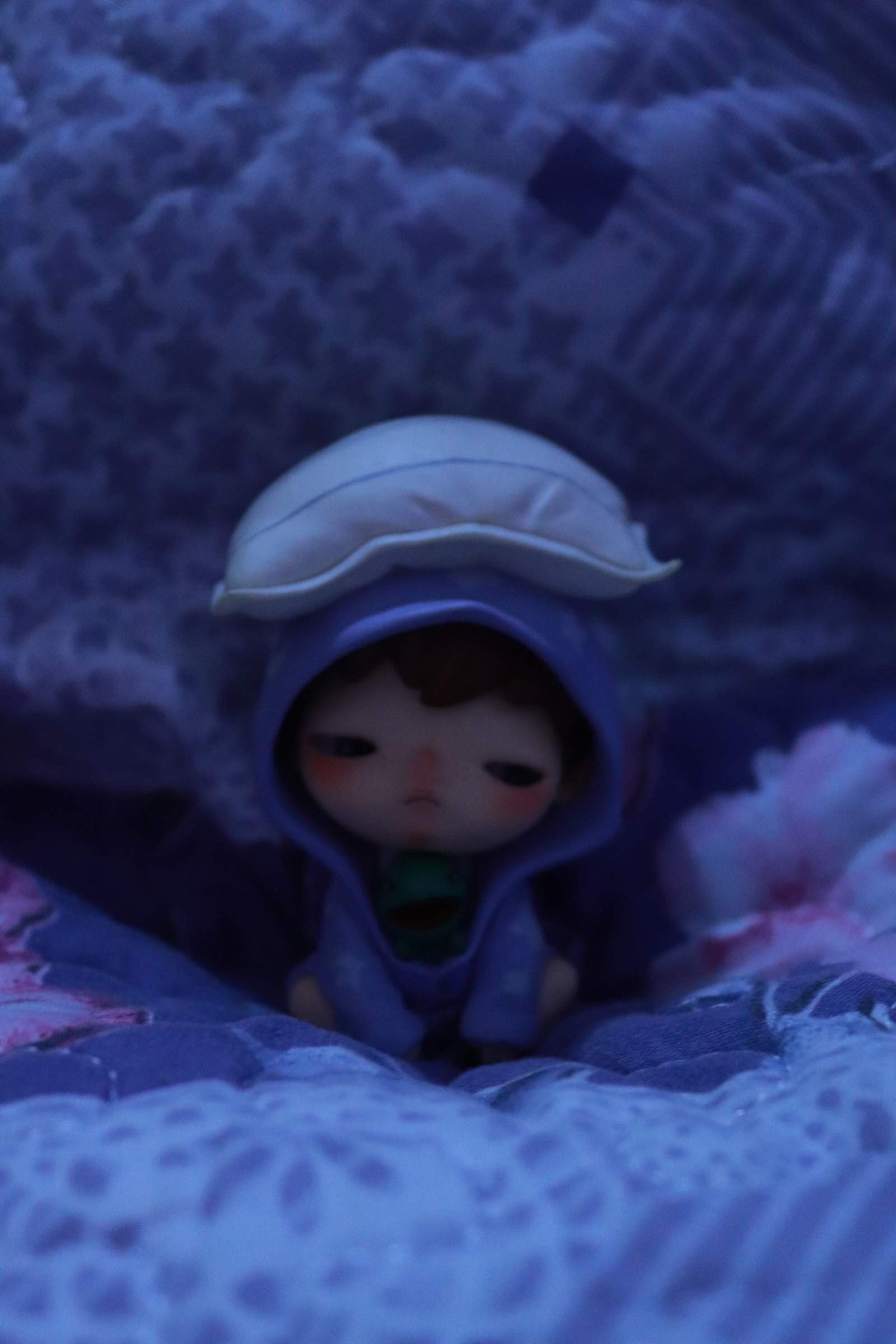
Captures the feeling of being physically tired but mentally unable to rest. It reminds us of quiet nights spent overthinking, worrying about tomorrow, and replaying things we wish had gone differently.
Doctor Beak (Monsters’ Carnival Series)
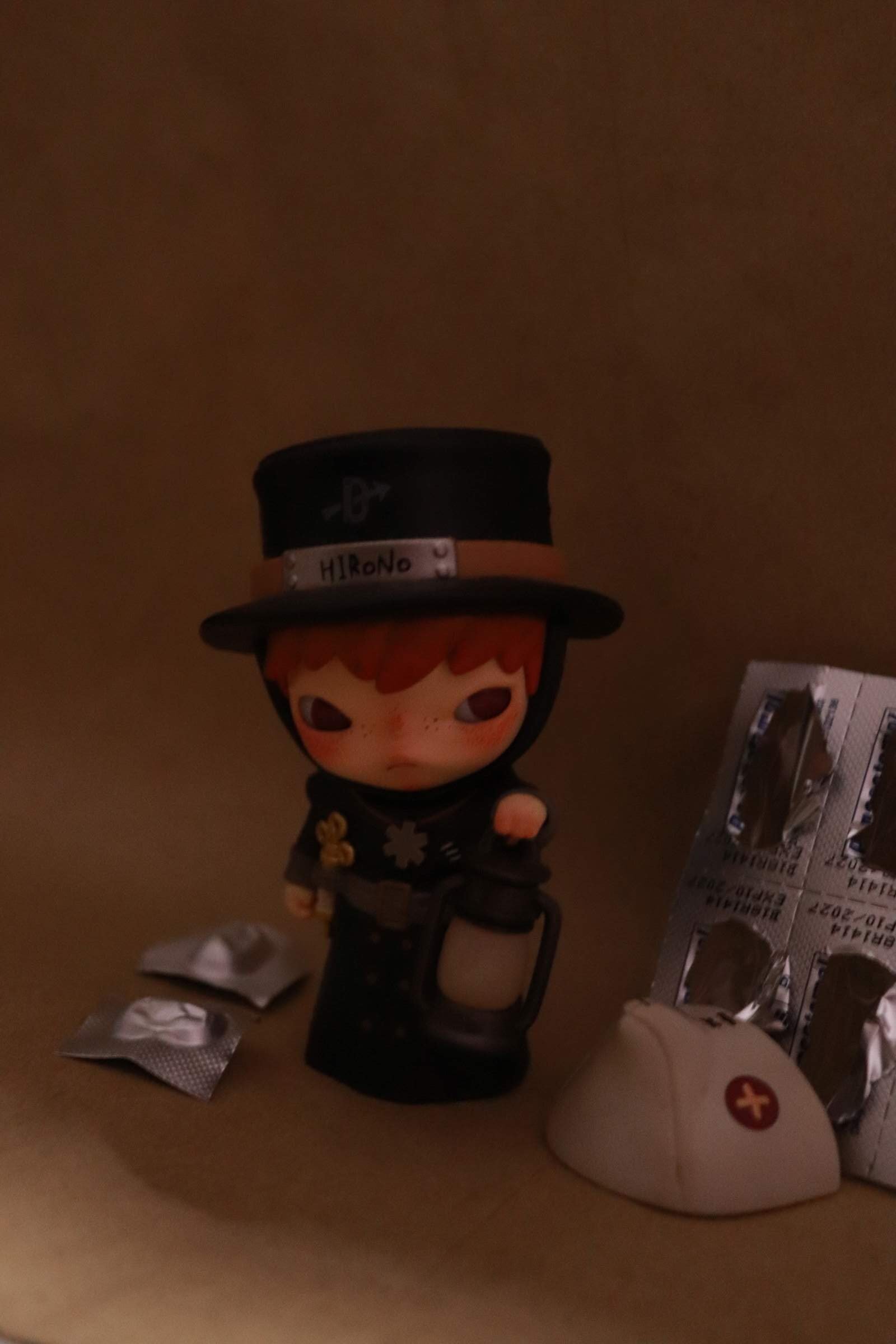
Represents the loneliness of those who care for others but rarely receive the same care in return. Inspired by historical plague doctors, he symbolizes the weight of responsibility and the quiet exhaustion of always being there for others.
Crazy Clown (Monsters’ Carnival Series)
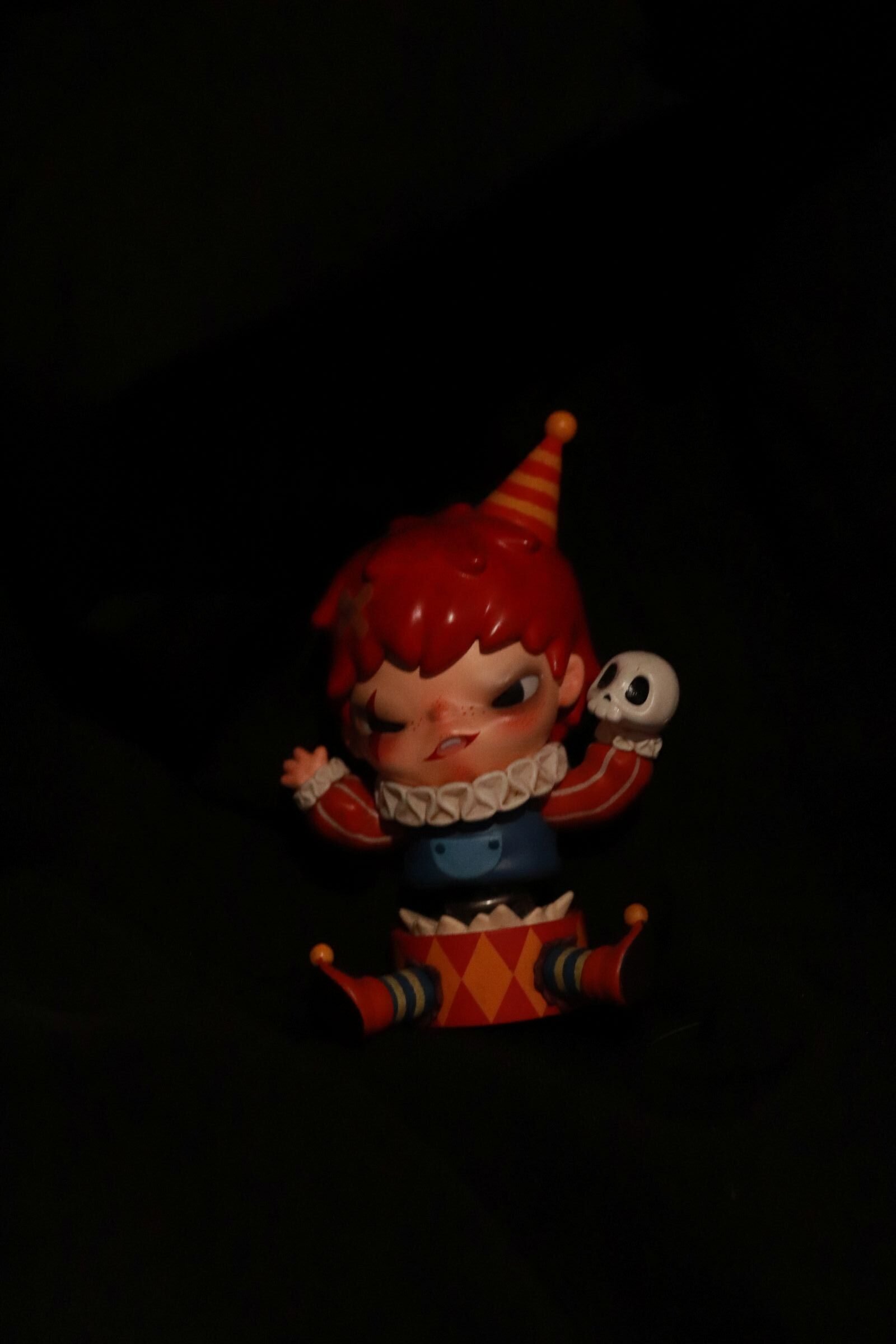
Reflects the contrast between what we show others and what we truly feel. Its clown-like appearance brings to mind those who use humor to hide their struggles and make others laugh while dealing with their own problems.
Of course, these interpretations may differ from one collector to another, and that is part of what makes HIRONO interesting. We bring our own stories into the things we connect with, giving each figure a meaning beyond its design.
Reason Why We Buy & What We Relate To
Collecting HIRONO goes beyond finding a rare figure or completing an entire series. For some, it is about finding the character that feels most familiar.
A figure might remind someone of a difficult period they have overcome, a relationship they once had, or an emotion they are still trying to understand. Others may simply appreciate its artistry, design, or enjoy the excitement of opening a blind box and seeing which they get. Either way, the experience can become personal.
In a way, the figures we choose to keep around us can say something about who we are. Much like the clothes we wear or the things we display in our rooms, our collections can reflect our interests, personalities, and experiences.
Perhaps this is why HIRONO resonates with so many people, especially those navigating the uncertainties of growing up. In a world that constantly encourages us to stay positive, productive, and put together, there is something refreshing about a character that makes room for less comfortable emotions.
After all, not every day has to be a good one. We can feel lost, exhausted, confused, or vulnerable without feeling that there is something wrong with us.
HIRONO may only be a little figure sitting on someone’s shelf, but the feelings it represents can be much bigger than its size.
Sometimes, we do not collect things because they just make us happy. We collect them because they remind us of the parts of ourselves we are struggling to understand, and the parts that deserve to be seen.