

Olivia Rodrigo’s “the cure”: When Love Isn’t Enough to Cure You



What if the person you love can make life feel lighter without being the person who fixes everything for you?
We have grown too used to stories where love feels like the “ultimate answer” to everything. The right person comes along, understands us in ways no one else does, stays through our happiest and hardest days, and somehow makes everything fall into place. From romance films to TikTok relationship edits and love songs, young people are constantly surrounded by the idea that being loved can make us whole or cure all of our struggles.
But Olivia Rodrigo’s “the cure” invites us to look beyond love as a solution to every pain we carry. The idea of a cure suggests something that can take our pain away, which makes us question what we expect love to do for us. Can another person’s love truly heal everything we struggle with internally?
Someone can love you deeply, stay through your breakdowns, and offer comfort when you need it most, but they cannot automatically resolve the insecurities, fears, and wounds you are still learning to understand. Love can make healing feel less lonely without having to take away every pain.
When We Expect Love To Fix Us
It is easy to understand why we sometimes place this expectation on relationships.
When life feels overwhelming, having someone who listens, checks in on us, remembers the little things, or simply stays can make difficult days more manageable. However, leaning on a partner during these moments is not a weakness. In a healthy relationship, people can rely on each other for comfort, reassurance, and support.
The difficulty begins when we expect that support to make every of our struggle disappear. We may look to our partners to ease our fear of abandonment, prove our worth, or make our loneliness go away. When these feelings return, we might wonder whether something is wrong with the relationship.
Sometimes, however, the struggle comes from wounds that existed long before the relationship began. Being loved can help us face them, but it does not automatically make them disappear.
Love Can Help Without Being The Cure
The idea behind “the cure” becomes meaningful when we consider the difference between wanting love to comfort us and expecting it to fix everything. When we are hurting, it is natural to hope that someone who loves us can make things better. Their presence can offer security when we feel uncertain and reassurance when we struggle to see our own worth.
But support is not the same as responsibility. A partner can listen to our fears and stand beside us through difficult moments, yet they cannot build our entire sense of self-worth or resolve every insecurity that we carry for years on our behalf.
Healing requires our own participation, too. It may mean learning to communicate our fears, understanding where our insecurities come from, setting healthy boundaries, or seeking professional help when needed. These steps do not mean we must heal alone. Rather, they remind us that we can accept love and support while still taking an active role in our own well-being.
Love does not have to remove all our pain to be valuable. Sometimes, its greatest gift is giving us the comfort and security to face what hurts us the most.
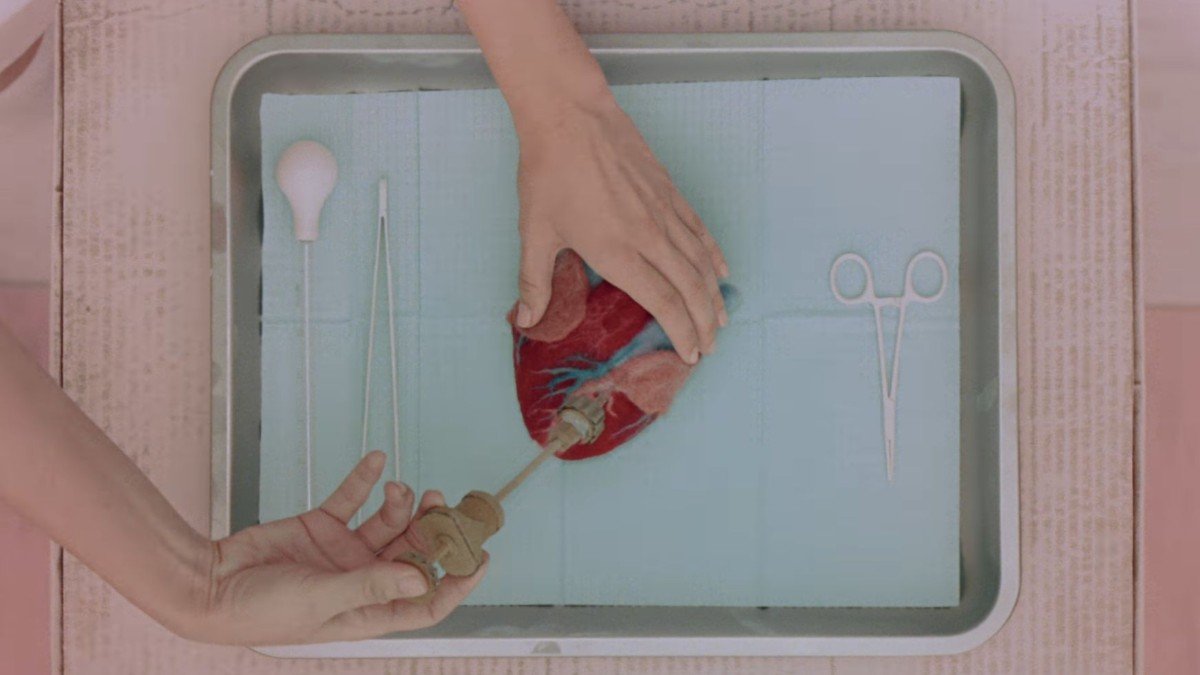
Photo From Spotify
The Pressure To Find “Your Person”
For young people, this expectation can be especially complicated because romantic relationships are often portrayed as a form of completion.
Online, partners are frequently described as someone’s “home,” “safe haven,” “whole world,” or “reason for living.” These expressions can be sincere ways of showing affection, but when love is constantly presented as the answer to everything, it can create unrealistic expectations of what a relationship should provide.
We may begin to believe that finding the right person means never feeling lonely, insecure, or broken again.
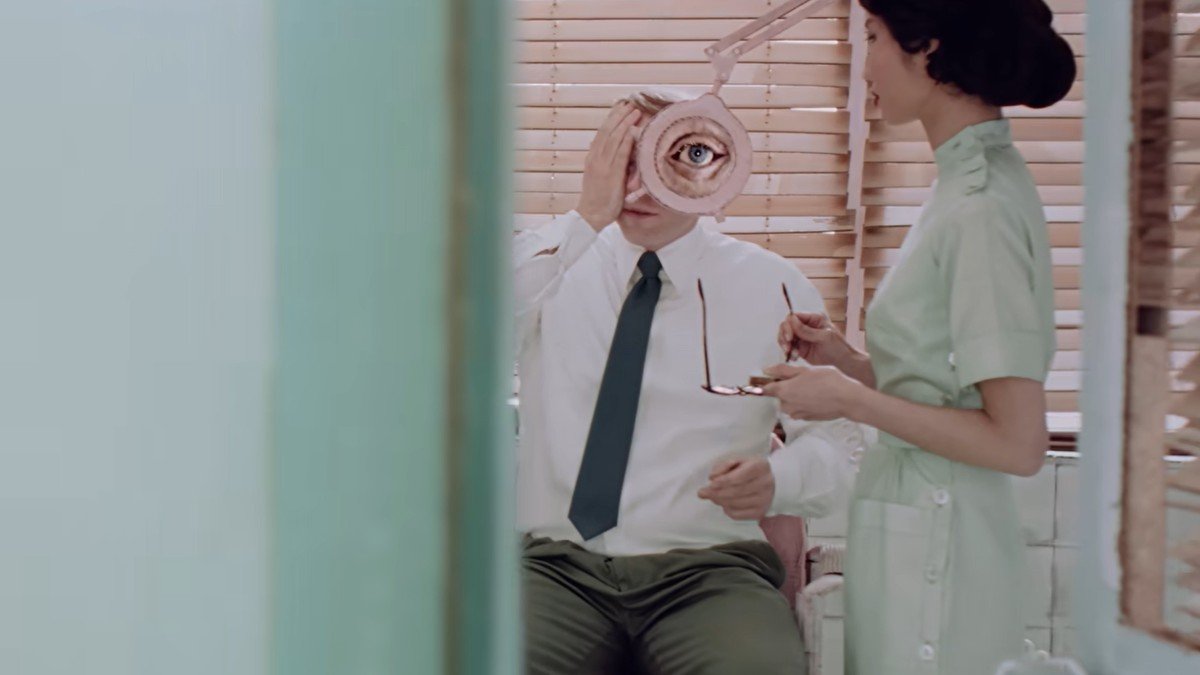
Photo From YouTube
Real relationships are rarely that simple and easy. You can be deeply in love and still struggle with your own insecurities. A supportive partner can make those struggles easier to face, but you may also need friends, family, professional support, or time alone. These needs do not diminish the love you share and give to someone. They simply acknowledge that no single relationship has to meet every emotional need.
You Are Still Responsible For Your Own Healing
Accepting that another person does not have to save you can be empowering. It does not mean shutting people out or refusing their help. There is nothing wrong with leaning on someone when life becomes overwhelming. What matters is recognizing that love can support our healing without making another person solely responsible for it.
There is a difference between saying, “You make this easier for me,” and believing that you can never be okay without someone else. The first recognizes the comfort love brings; the second risks making another person our only source of happiness and security.
Perhaps this is the reminder worth taking from the idea of “the cure”: we do not have to choose between being loved and learning to heal ourselves. We can let someone stand beside us, accept their comfort, and still do the work of understanding our own pain.
Sometimes, love is not the cure. It is the person who holds your hand while you heal.