

Credit Cards vs. Cash: When a Credit Card Is Actually the Smart Choice

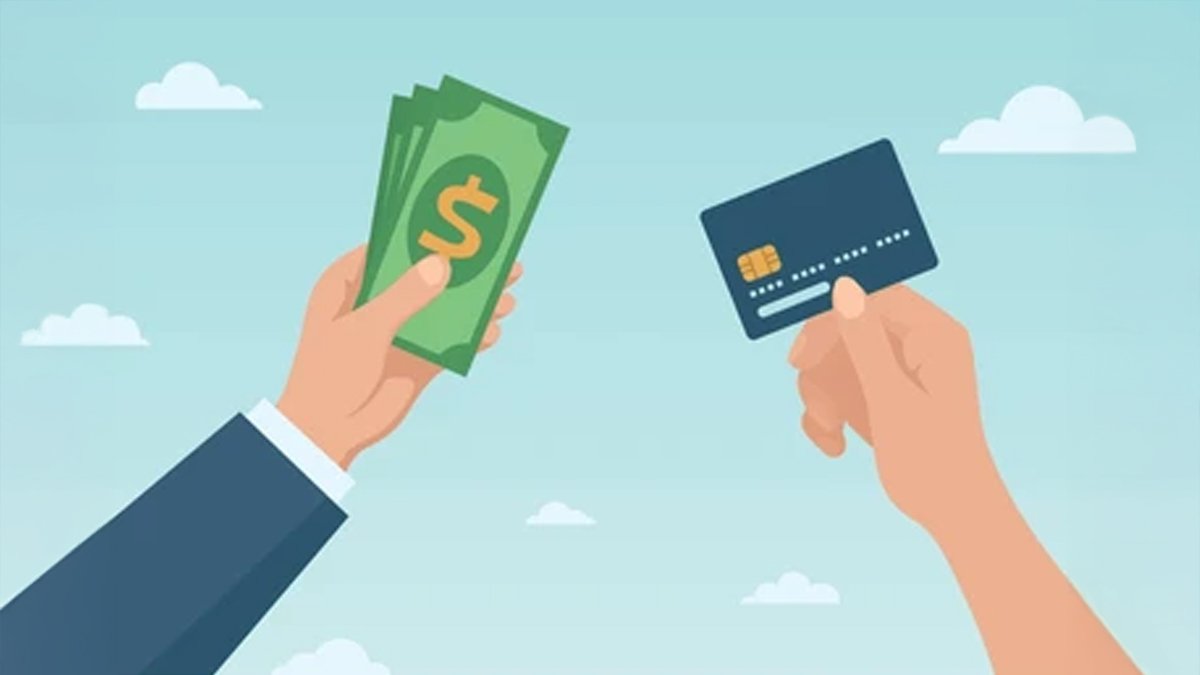

Cash remains a popular payment method for many Filipinos. It’s familiar, straightforward, and widely accepted by businesses of all sizes, from supermarkets to sari-sari stores. Nevertheless, there are times when cash may not be enough, and in those moments, using a credit card can help keep things moving without delay.
Credit cards offer a level of convenience and flexibility that cash may not be able to provide, and in certain situations, these advantages become especially useful. That’s something you can take into account if you’re undergoing a first-time credit card application Philippines process. This article highlights the moments when using a credit card can be a smarter choice, helping you make the most of a card like the Landers Cashback Everywhere Credit Card by Maya.
When You’re Making a Significant Purchase
A major purchase can place immediate pressure on your available cash. Items such as a refrigerator, laptop, or mobile phone often require a large payment that may disrupt your usual spending plans. Paying for these items using a credit card can make the expense easier to handle. Since this financial instrument is designed to provide short-term access to funds, you can purchase important items even if you don’t have the full amount of cash available.
To make large expenses more manageable, a number of banks offer installment arrangements for big purchases, sometimes with 0% interest. In this setup, the total cost is divided into fixed monthly payments over a set period, allowing you to pay for the item in a more predictable way. With this structure, you can move forward with an important purchase without disrupting your everyday spending.
2) When You’re Online Shopping
Cash on delivery (COD) payments are still common for some online stores, but if you want a more convenient payment method, credit cards are the better choice. For one thing, credit card transactions can be processed quickly, which allows orders to be confirmed right away. Credit cards are also a widely accepted form of online payment. You can easily purchase from international stores or sign up for subscription-based services, which often don’t support COD payments.
Moreover, credit cards come with robust security features that can reduce risks when shopping online. Take the Maya Black Credit Card as an example. This financial instrument by Maya boasts strong
fraud monitoring systems to flag unusual transactions and alert you when a purchase occurs. It also comes with a dynamic CVV, which changes every day to help prevent unauthorized use of your card details. These safeguards add an extra layer of protection that cash payments cannot provide, making credit cards a safer option for many online purchases.
3) When You Want to Ensure a Purchase’s Quality
Concerns about product quality often arise when buying expensive or unfamiliar items. Even though electronics, appliances, and other high-value goods may come with warranties, problems can still occur after the purchase.
In these situations, a credit card can provide greater safeguards for such transactions, as many cards have consumer protection features. These protections help cardholders deal with purchase disputes, especially when issues appear after the transaction has been completed.
For example, if an item arrives damaged, defective, or significantly different from what was advertised, you may be able to file a dispute with the issuing bank. Your bank then reviews the transaction and may reverse the charge while the issue is investigated. The presence of a formal dispute channel gives you a way to address the problem without relying solely on the merchant’s response. That said, this process can be helpful when communication with the seller becomes difficult or unproductive, or when the merchant fails to provide a satisfactory resolution.
4) When You’re Preparing for a Trip
Many travel bookings often require immediate payment before they can be confirmed. Airlines issue tickets only after payment is completed, while hotels typically request a card to guarantee a reservation or place a temporary deposit. These requirements make paying with cash less practical in many situations. With a credit card, you can secure your reservations quickly and avoid delays in finalizing your travel plans.
Another advantage of using a credit card for travel payments is the clear documentation it provides for your bookings. Your card statement shows each reservation and payment connected to the trip, and this information helps you review charges and confirm booking details. Having these records in one place lets you monitor your travel expenses more easily, making travel planning feel more organized.
5) When You’re Covering an Unexpected Expense
Access to a credit line can make a meaningful difference when an unplanned expense appears, and a credit card provides a practical way to handle the situation. As mentioned earlier, this financial instrument provides temporary access to funds, allowing you to cover urgent costs even when cash isn’t readily available. Whether it’s for a vehicle repair or medical expense, paying with a card allows you to settle the bill immediately, giving you peace of mind in times of emergency. It also gives you time to prepare the funds and settle the balance in a more organized way, which can ease pressure on your finances.
Cash and credit cards each have a place in everyday spending, and knowing which suits the situation best can help you make wiser choices. In situations where cash falls short, a credit card offers greater flexibility in completing the purchase. As long as it’s used responsibly, a credit card can serve as a reliable financial tool, allowing you to handle different types of payments with greater confidence.